





Hiring & contracts
How to verify a remodeling contractor's license before hiring
Verify the contractor name, license classification and status, then check the specialty trades and business authorization behind your remodeling agreement.
THE REMODELING FIELD GUIDE
From the first estimate to the final walk-through: practical answers to the remodeling questions that matter.
Serving the entire San Francisco Bay Area.
Explore the 100 guides
Start with a real question. Understand the trade-offs. Keep a record of what good work should look like.
Our research methodSTART WITH YOUR PROJECT
DECISIONS WORTH GETTING RIGHT
Hiring & contracts
Verify the contractor name, license classification and status, then check the specialty trades and business authorization behind your remodeling agreement.
Bathrooms
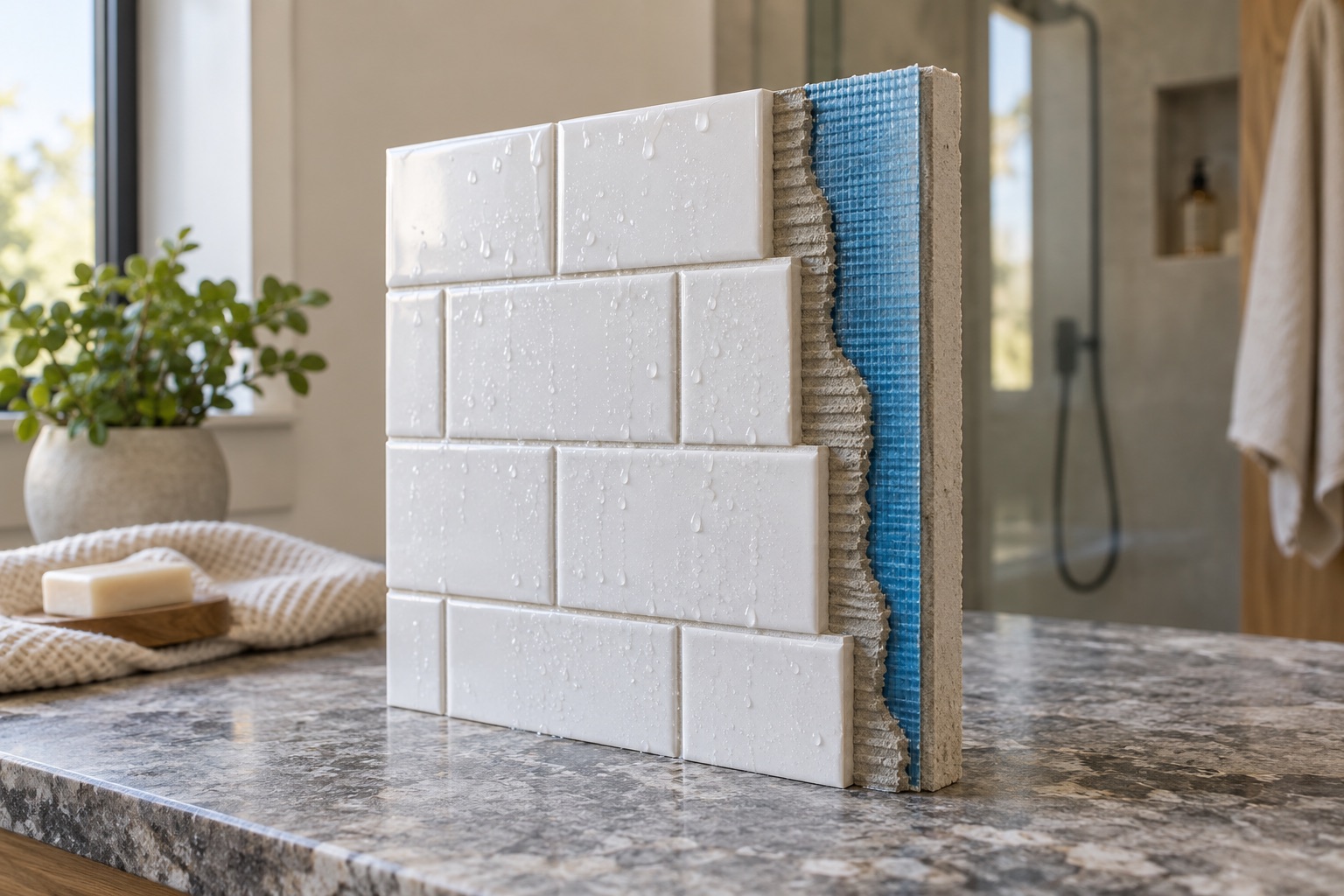
Understand what makes a tiled shower watertight, why grout sealer cannot prove a leak is fixed, and what to inspect at drains, corners, niches and benches.

Kitchens
Compare quartz, quartzite and granite countertops through heat, stains, acids, maintenance, slab variability and repair expectations before choosing.

Moisture & Building Envelope
Trace rain-related window leaks by separating frame problems from flashing and upstream water entry, then compare repairs using documented evidence.
Structure & Storm Resilience
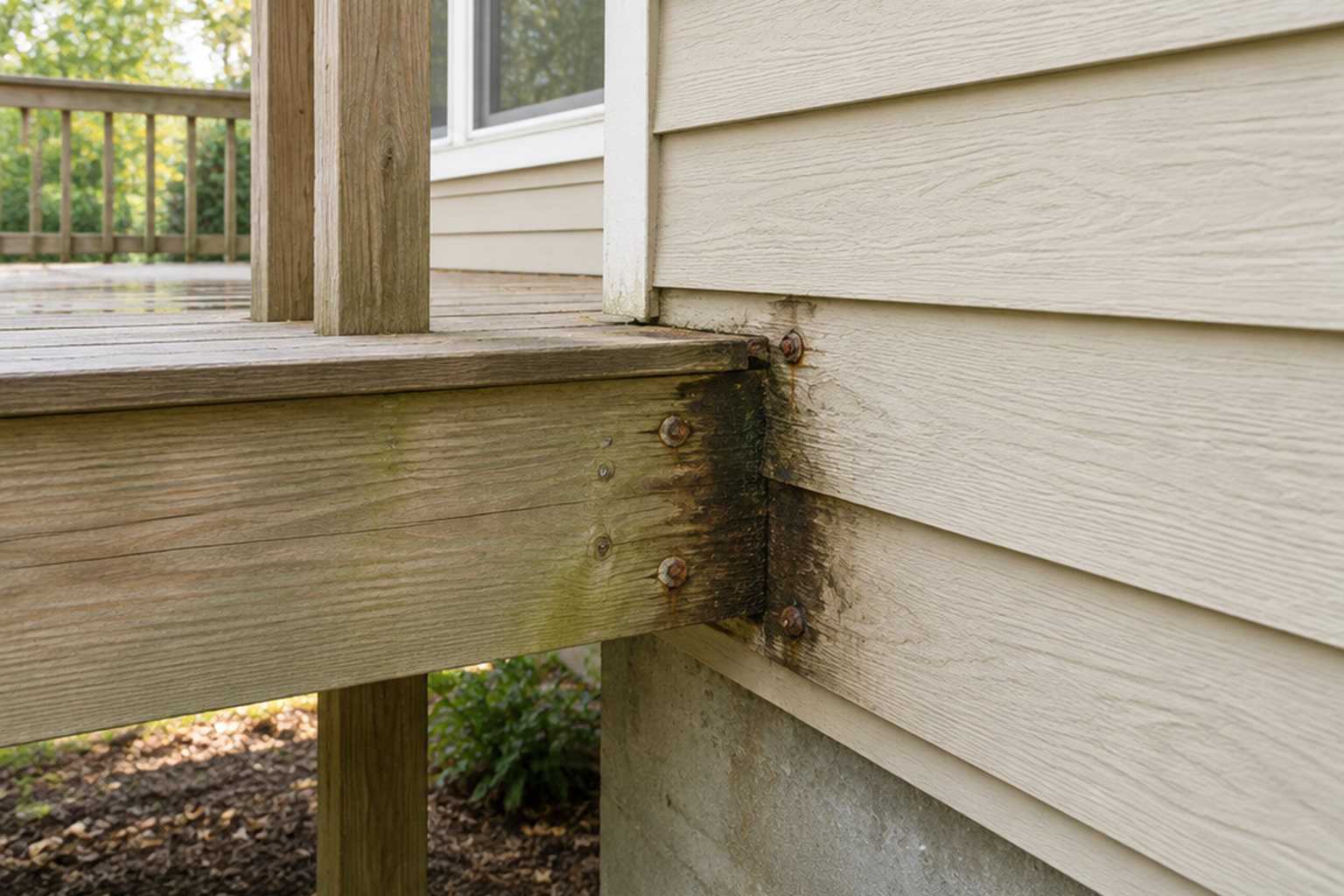
Assess water at a deck ledger through hidden house framing, structural connections, flashing and corrosion before accepting a cosmetic or partial repair.

Permits & inspections
Check remodeling permit needs from the complete structural and trade scope, using the applicable authority rather than assumptions about cosmetic work.
LOOK BEYOND THE ROOM
RECURRING READER QUESTIONS
Prioritized from our Reddit research sample, with clear next steps and linked guides.
Read all common questionsStart with the boxes, layout, moisture damage and hardware. Painting changes the finish; refacing changes visible components; replacement allows more extensive layout or construction changes. Compare a defined scope, including preparation and repairs, before comparing prices. A new coating cannot repair a swollen box or fix a layout that does not work.
Read the full guidePlan work-zone separation, dust capture at the tool, protected access routes and cleanup before demolition or cutting starts. Check how ventilation affects the occupied rooms and any combustion equipment. Older coatings, asbestos-suspect materials and silica-generating tasks can require specialized controls. A household vacuum or closed door alone is not a complete containment plan.
Read the full guideCompare the conditions and proposed scope first. Ground vapor control, drainage, air sealing, insulation and humidity equipment solve different problems. An encapsulation label does not tell you which are included or whether bulk water has been addressed. Ask for a moisture-management plan and monitoring criteria appropriate to the crawl space and climate.
Read the full guidePrices can reflect different scopes, quantities, allowances, preparation, access, exclusions and responsibilities. Put those differences into a comparison before deciding which number is lower. Ask each bidder to clarify the same uncertain items. A cheap total with undefined work can become a very different agreement once construction begins.
Read the full guideThere is no nationwide percentage that makes a payment schedule safe or lawful. Review applicable local rules, the contract and what each payment buys. Separate documented procurement from completed-work milestones, and agree on the evidence used for payment. Obtain advice before withholding money or changing the agreed payment terms during a dispute.
Read the full guideConfirm with the authority responsible for the property using the complete scope of work. A project described as cosmetic may also involve structure, plumbing, electrical or mechanical changes. A contractor’s informal opinion does not replace the authority’s permit determination. Record who will handle each application, inspection and closeout requirement.
Read the full guideReview permits and the scope of the renovation, obtain an independent inspection, and investigate inconsistent records or visible signs of moisture and rushed repairs. Request specialist evaluation where the findings justify it. A fresh finish or seller assurance is not a substitute for evidence about the work behind the surface.
Read the full guideThe visible crack may be a symptom of movement, inadequate joint treatment, incompatible materials or an unresolved moisture problem. Identify the location, repair history and pattern before selecting a filler. Structural or active movement concerns need assessment first; a finishing repair should follow that diagnosis instead of repeatedly hiding the same line.
Read about recurring drywall cracksAllow Google Analytics to help us understand visits? You can change this choice at any time in Privacy.