THE SHORT ANSWER
A newly remodeled house still needs an independent inspection and a review of the work history. Ask what changed, who performed it, which permits and inspections apply, and what warranties or records transfer. Use suspicious symptoms to guide qualified investigation, not to declare fraud from appearance alone. Allow time for specialist follow-up and keep negotiation decisions within the purchase contract's actual deadlines and rights.
Separate the attractive finish from the work history
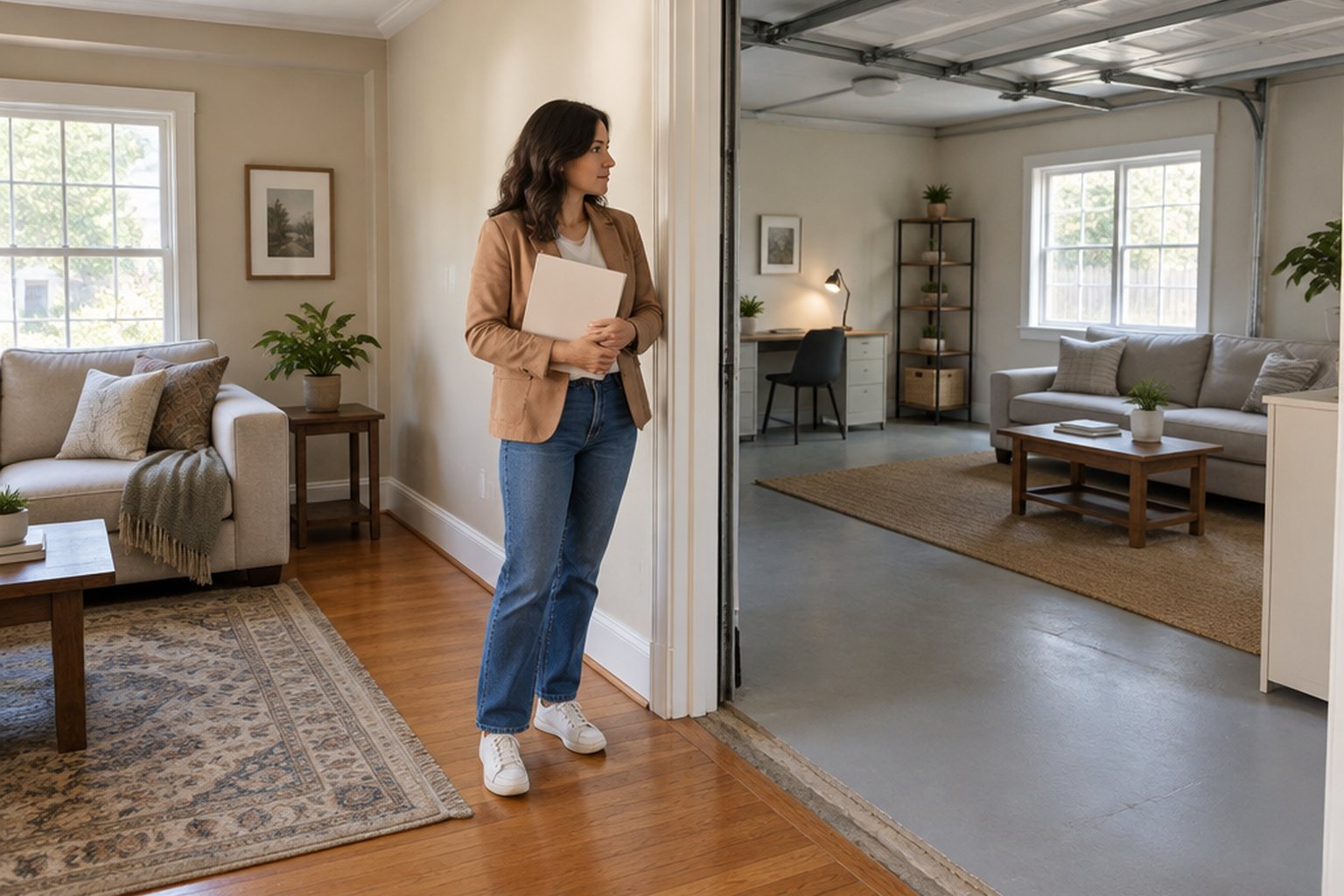
New counters, flooring and paint show that visible work occurred; they do not establish the condition of concealed systems or the quality of the renovation. Ask for a room-by-room description of changes and the approximate dates. Distinguish cosmetic refreshes from layout, structural, plumbing, electrical or mechanical alterations. A seller who owned the property briefly may have a different knowledge history from a long-term occupant, but a short ownership period alone does not prove deception. Focus on records and observable conditions. The goal is to understand what was changed and what remains uncertain before the purchase, rather than judging the house solely by its staged appearance.
Engage an independent inspector early enough for follow-up
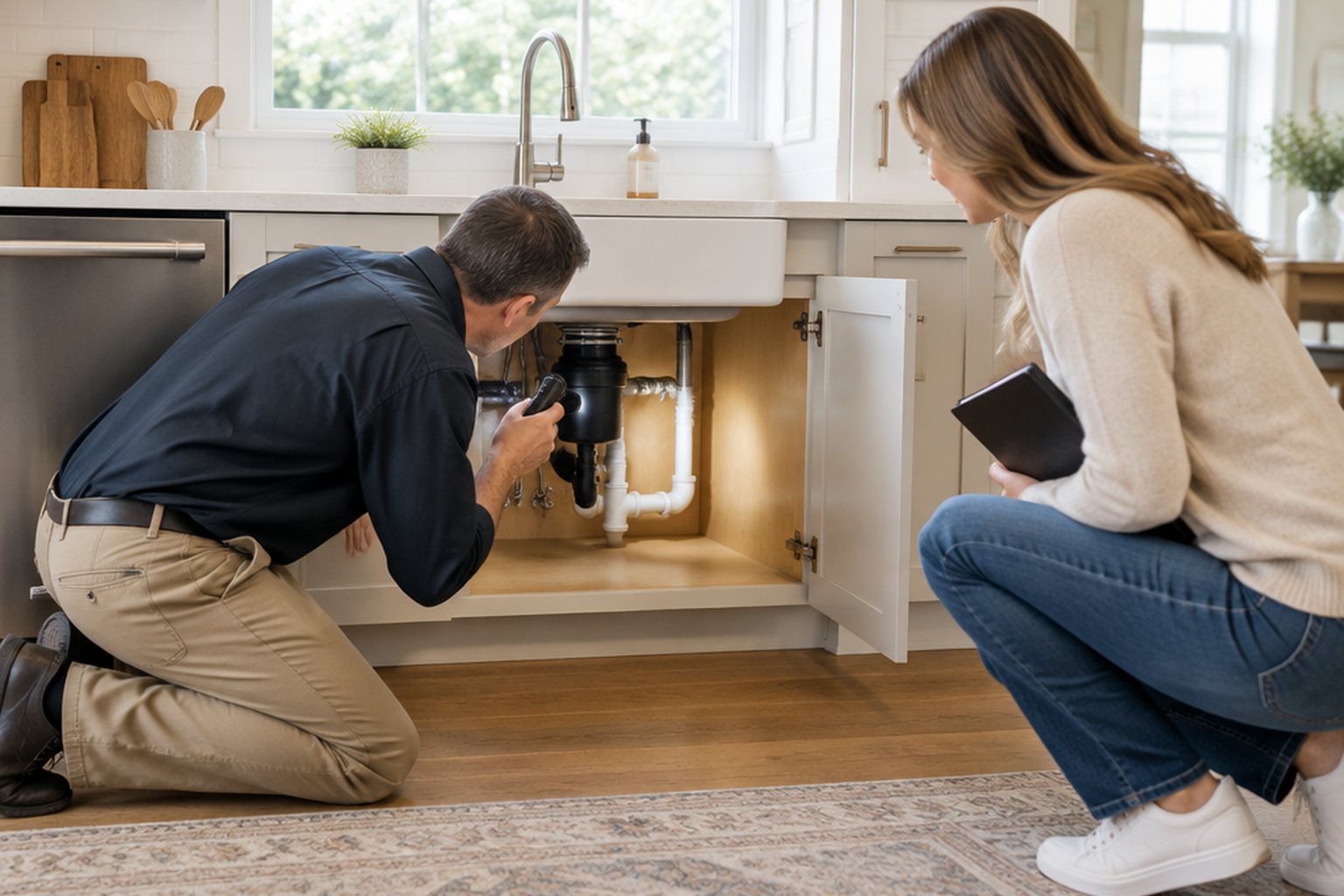
The CFPB's inspection guidance recommends arranging an independent home inspection and allowing time to address findings. Read the inspector's agreement, scope and access limitations. Explain the renovation history you know and identify any particular concerns without asking the inspector to guarantee every concealed assembly. A report may recommend additional evaluation by an appropriate specialist. Schedule within the actual purchase agreement's timelines; do not assume a general internet rule gives you unlimited time to investigate or cancel. An appraisal and a home inspection serve different purposes, so lender valuation activity should not replace your own condition assessment.
Reconcile disclosures with the observed work
For South Carolina transactions, the official property condition disclosure form provides a structured account of seller knowledge and includes explanations and limitations. Read each response and any attachments rather than treating a signed form as a warranty. If a response seems inconsistent with a visible alteration or provided invoice, ask a specific written follow-up. A no-representation answer should not be silently converted into a claim that no problem exists. Equally, a newly discovered issue does not automatically establish that the seller knew about it. Keep questions factual and obtain local transaction advice about any legal significance or required response.
Check permit scope and completion, not only a number
Identify the correct authority and request available records for the changes described. Compare the listed scope with the actual renovation and ask about unresolved inspections or conditions. The Bluffton remodel application illustrates how local project descriptions and trade information can be recorded; requirements elsewhere differ. An issued permit is not necessarily a final approval, and one permit may cover only part of the work. If the records are incomplete, document the gap and ask what further inquiry is appropriate. Do not assume the seller can resolve a missing inspection with a quick fee payment immediately before closing.
Investigate patterns without diagnosing from a photograph
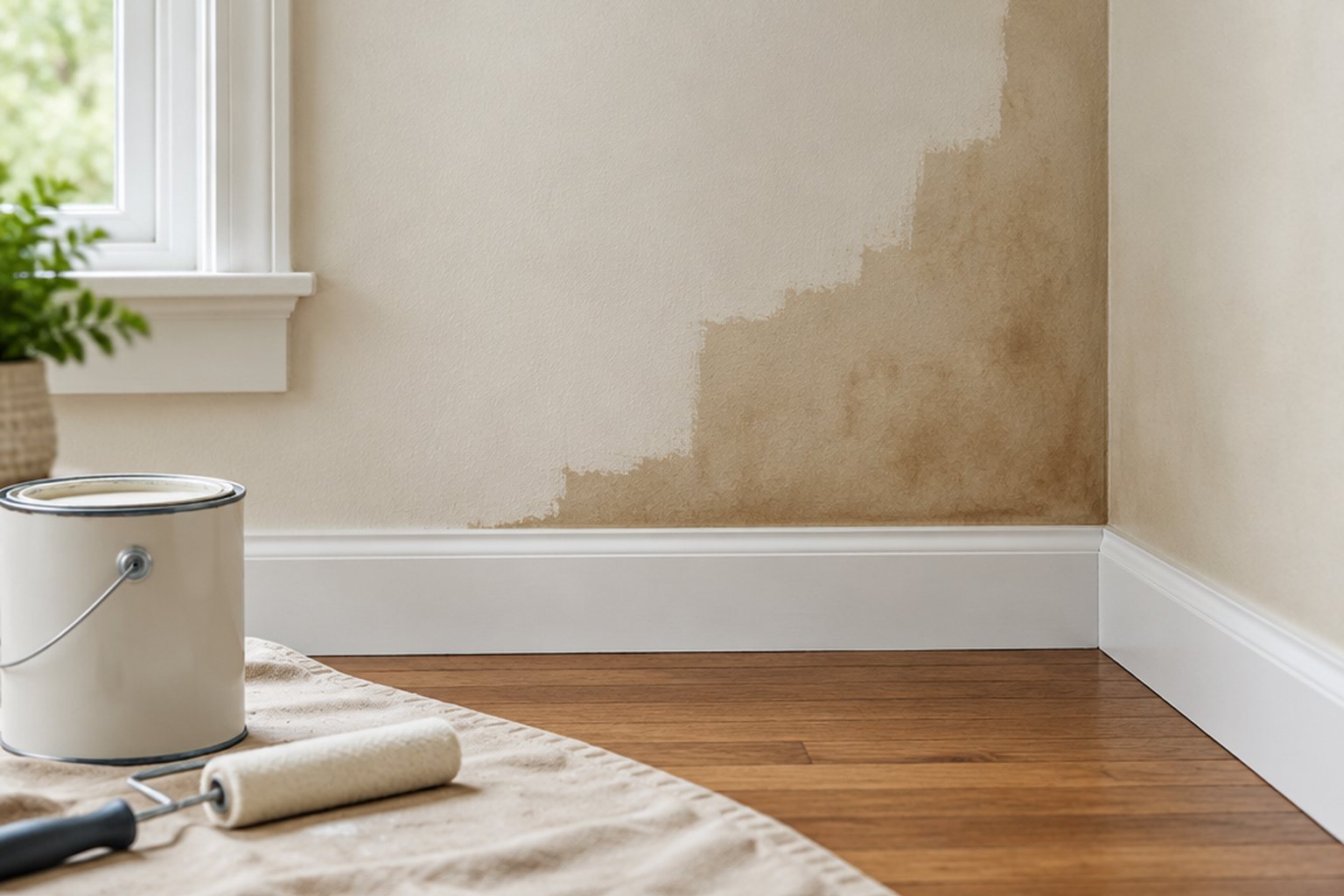
Repeated moisture staining, doors that bind, unusual floor transitions, inaccessible service areas or inconsistent descriptions can justify focused questions. A fresh paint patch is a reason to ask about its history, not proof of concealed water damage. Have the appropriate professional evaluate causes and limitations. Avoid destructive investigation or hazardous access without permission and a suitable plan. The researched buyer discussions show why a list of flip warning signs can be useful as an inquiry aid but misleading as a verdict. Several small clues may warrant more evidence; none should be turned into an unsupported guarantee that the property is either safe or fraudulent.
Ask who installed and who warrants the work
Request available contractor invoices, product information, warranty documents and any transfer conditions. Verify relevant contractor credentials independently when that information affects your assessment. An invoice may show what was billed without proving correct installation, while a warranty may exclude labor or require a particular reporting process. Determine whether coverage transfers and who receives claims after the sale. Do not assume that the seller's general promise of new everything creates a comprehensive warranty for the next owner. Put unresolved documentation requests into the transaction record so their importance can be considered before a deadline rather than discovered during the first repair.
Turn findings into a decision with costs and uncertainty
Separate urgent safety issues, active damage, necessary repairs, routine maintenance and unanswered questions. Obtain qualified estimates or further evaluations where the potential consequence justifies them. A repair price based on visible symptoms may carry uncertainty about concealed damage, so read its exclusions and assumptions. Discuss repair, credit, further investigation or other permitted options with the appropriate transaction advisers. The purchase contract and applicable law determine available remedies and timing. Do not use a generic rule that every defect requires seller repair or that a credit always makes an uncertain project acceptable. Your decision should reflect the remaining risk as well as the visible price.
Verify promised repairs and retain the evidence
If repairs are agreed before closing, define scope, qualifications, permits if required, documentation and the method of review. A final walkthrough can confirm some visible conditions but may not replace specialist reassessment of a significant issue. Preserve reports, seller responses, approved repair terms and completion evidence. In a hypothetical flipped bathroom, a promise to fix a ceiling stain would leave the source unresolved unless the agreed work addresses that question. Ask for evidence proportionate to the concern. The useful endpoint is an informed purchase decision with known limits, not a declaration that every flipped home is defective or every renovated surface is trustworthy.
BEFORE YOU PROCEED
Your project checklist
- Obtain a description and dates of the renovation.
- Schedule an independent inspection within contract timelines.
- Review disclosures and ask factual follow-up questions.
- Compare permit scope with actual work and closure records.
- Investigate significant symptoms with appropriate specialists.
- Verify negotiated repairs and retain supporting records.
Questions that come up next
Is a flipped house automatically a bad purchase?
No. Evaluate the actual condition, work history, inspection findings and remaining uncertainties rather than ownership duration or finishes alone.
Does a permit mean I can skip the home inspection?
No. Permit records and an independent condition inspection answer different questions and have different limitations.
EVIDENCE & SCOPE
Sources for this guide
Applies to: US purchase planning; South Carolina disclosure form and Bluffton permitting are local examples.
Reddit discussions identify questions and experiences, not verified diagnoses or code requirements. Technical claims should be read with the linked primary source, product instructions and local requirements.
- CFPB: Schedule a home inspectiongovernment
Federal home-buying guidance on independent inspection, specialist follow-up and the distinction between inspection and appraisal.
- South Carolina Residential Property Condition Disclosure Statementgovernment
Official South Carolina property disclosure form, June 2025 file, with instructions on knowledge, explanations, inspections and statutory exceptions.
- Town of Bluffton: Additions/Remodels and Minor Projects Permit Applicationgovernment
Bluffton remodel application revised September 2026, covering scope, responsible parties, trade information and related completion documentation.
- Flipper Disclosurereddit
A supposedly updated flip has serious concealed plumbing and electrical defects found during inspection. Full thread was available during research. Individual experiences are not legal or technical authority.
- Buying home with unpermitted work- big deal?reddit
Buyer of a flip discovers a removed wall and older addition without permits and seeks structural review. Only a search excerpt was available during research. Individual experiences are not legal or technical authority.