THE SHORT ANSWER
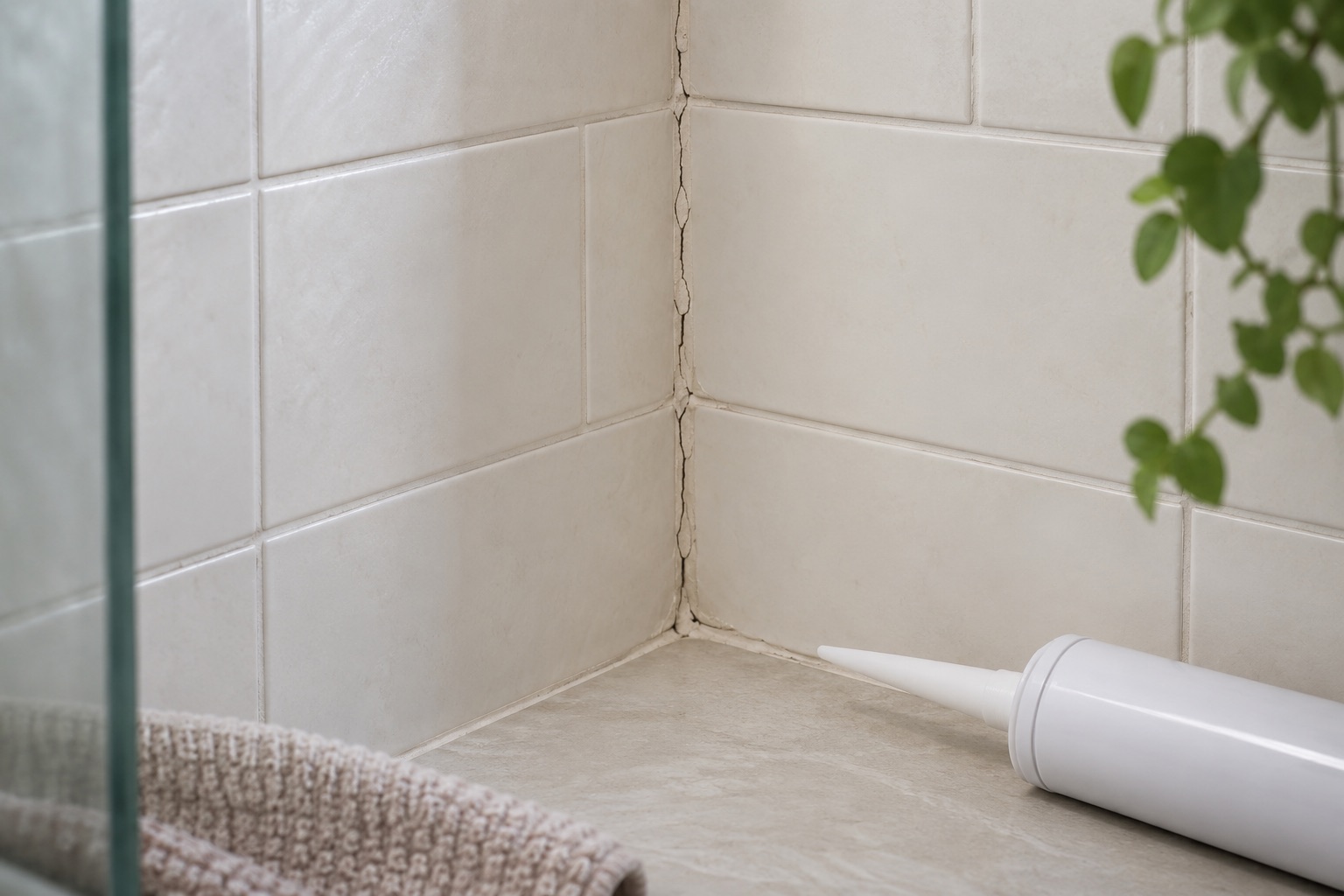
A corner or other change of plane may need a flexible joint rather than rigid grout, but the location alone does not explain every crack. Loose tile, substrate movement or moisture damage can create similar symptoms. Identify the joint and check for related damage before replacing material. New sealant is maintenance or joint correction, not proof that hidden waterproofing is sound.
Read the crack's location and pattern
Start by marking exactly where the crack runs. A joint between a countertop and backsplash differs from a crack crossing several tiles or following a line through the middle of a wall. Note whether it is at an inside corner, around a fixture, beside a cabinet or in the tiled field. Photograph it before digging material out.
In one kitchen backsplash discussion, cracking appeared behind a faucet and above a dishwasher while other areas remained intact. A second thread asked whether silicone in a corner would stop repeated cracking. These are useful diagnostic questions, but neither establishes the cause in another home. Record when the crack first appeared, whether it changes and whether anything nearby is loose, damp or discolored. That pattern should guide the inspection.
Understand why the joint material matters
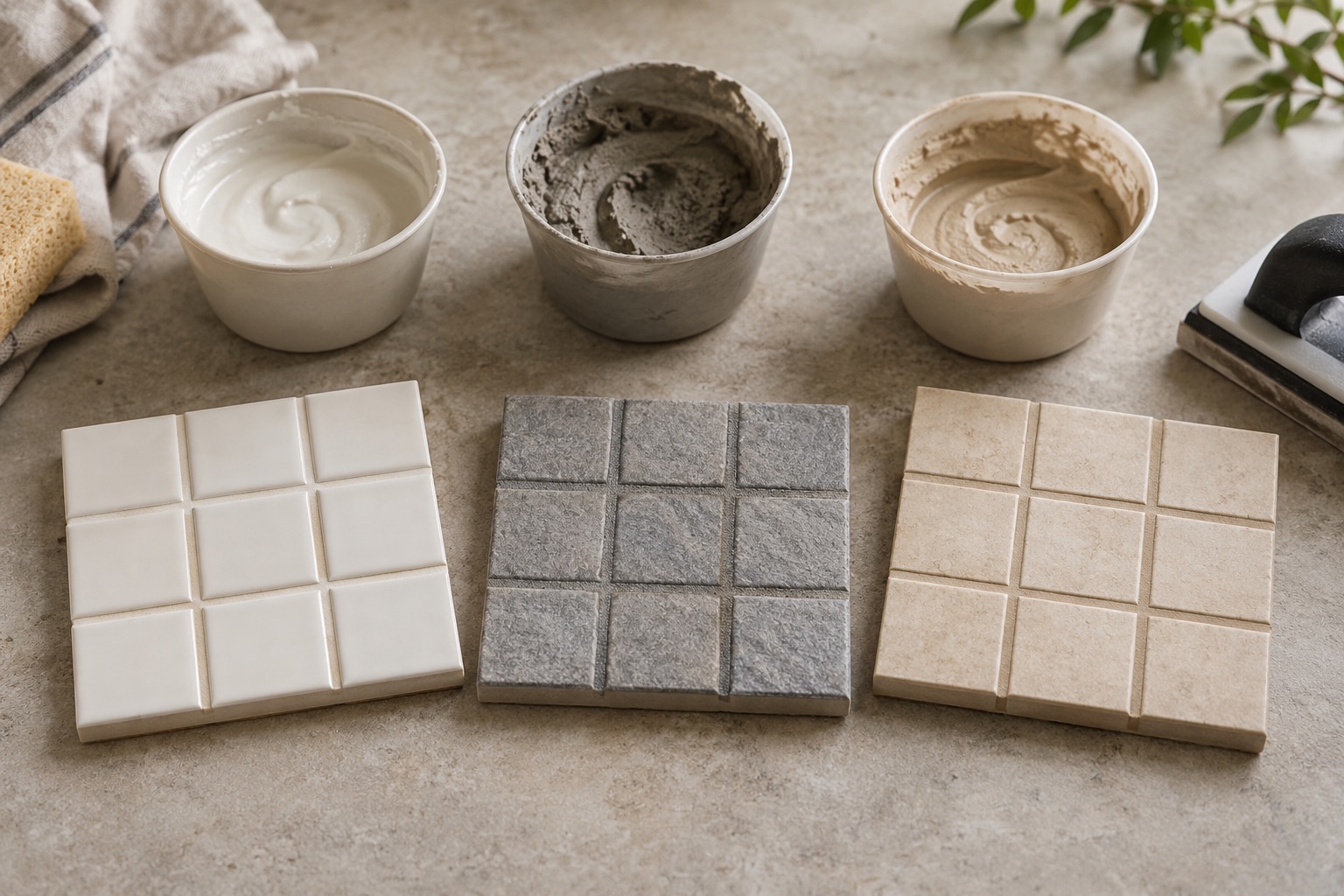
Rigid grout and flexible sealant serve different functions. Where adjoining surfaces move differently, a suitably designed movement joint can accommodate that behavior better than a rigid fill. The selected tile system and joint detail determine what belongs in the location.
CUSTOM's Commercial 100% Silicone Sealant guidance identifies corners and changes of plane among its intended uses. The company's grout-selection technical paper likewise distinguishes movement joints from grouted joints. This supports asking whether the corner was detailed correctly; it does not mean every crack should simply be covered with silicone. The sealant must be appropriate for the exposure and surfaces, and its installation needs the correct joint geometry and preparation. A thin smear over cracked grout is not equivalent to a properly formed flexible joint.
Check whether the surrounding assembly is stable
Gently observe the tile and adjacent surfaces during normal use without prying or forcing them. Movement, hollow-sounding areas, soft backing or widening cracks may require more investigation. A countertop that shifts, an inadequately supported ledge or water-damaged backing will not become stable because the visible joint is more flexible.
Look for staining below the joint, swelling at cabinet edges or a recurring damp smell. These observations do not diagnose a leak source, but they change the scope from routine cosmetic maintenance to investigation. In a shower, stop using the affected area if active leakage is evident and arrange an assessment. Avoid destructive probing with a knife near waterproofing. The investigation should preserve enough evidence to determine whether the problem is confined to the joint or extends into the substrate and water-control layers.
Choose a repair based on the actual joint
For a sound assembly with an incorrectly grouted movement joint, the repair may involve carefully removing inappropriate material and installing the specified sealant. The depth, width, backing and adhesion surfaces need to follow the sealant and assembly instructions. Material selection should account for exposure, cleaning and compatibility, not just whether the color looks close.
A field grout crack needs a different explanation. Regrouting without addressing loose tile or substrate movement may only reset the clock. If the joint has been repaired repeatedly, ask what will change this time. The answer should identify a verified cause or a planned investigation, rather than promise that a more expensive grout will be stronger. Stronger grout is not a substitute for accommodating movement where movement is expected.
Prepare without damaging hidden protection
Removing grout at a shower corner can put a blade close to a membrane or other concealed waterproofing. The repair method must account for what is behind the tile. If that information is unavailable, a qualified tile repairer may need to determine the assembly before cutting deeply.
Old silicone, soap film and moisture can also interfere with a new bond. Follow the selected product's removal, cleaning and drying requirements rather than laying a new bead over whatever remains. Keep a record of the product used so future maintenance is compatible. Do not mix a paintable general-purpose caulk into a wet-area repair merely because it is easier to tool. The label must support the intended exposure. A neat bead can still fail early if its preparation, geometry or material is wrong.
Set appearance and cure expectations
Color-matched sealant may not have precisely the same sheen or texture as adjacent grout. Review a sample or inconspicuous trial if that difference matters. The functional joint should not be made too thin or packed with rigid material just to imitate a continuous grout line.
Ask when the repaired area can return to service, using the selected sealant's instructions and actual conditions. Dry-looking material is not necessarily ready for repeated showering or cleaning. Protect the joint during its required cure and avoid aggressive cleanup products. For a hypothetical backsplash, moving the faucet or wiping the joint repeatedly while it cures could compromise an otherwise suitable repair. The handoff should explain normal maintenance and what changes, such as renewed separation or nearby swelling, require another inspection.
Verify the repair without claiming more than it proves
At completion, check that the joint is continuous, appropriately shaped and bonded to the intended surfaces, with no obvious gaps or loose remnants. Review photographs of any concealed repair and confirm that nearby tile or cabinetry was not damaged. Compare the result with the agreed scope.
A repaired corner does not by itself establish that a shower pan, niche or wall membrane is watertight. If leakage prompted the work, the responsible trade should verify the relevant assembly rather than relying on a fresh bead's appearance. Keep before-and-after photographs and note when the area returned to use. If the crack recurs, the record can help distinguish an application failure from continuing movement or moisture. The aim is a joint that performs its intended function, supported by a sound surrounding assembly.
BEFORE YOU PROCEED
Your project checklist
- Map the crack as a corner, perimeter or field joint.
- Check for loose tile, damp backing and nearby swelling.
- Identify the specified flexible-joint detail.
- Confirm sealant compatibility and joint geometry.
- Protect concealed waterproofing during removal.
- Document cure time and any leakage verification.
Questions that come up next
Can I put silicone directly over cracked grout?
That is not automatically a proper joint repair. Inappropriate material and contamination may need removal without damaging the assembly.
Will epoxy grout stop corner cracks?
It does not replace a required movement joint or repair a moving substrate. Determine the cause and correct detail first.
EVIDENCE & SCOPE
Sources for this guide
Applies to: United States general material and workmanship guidance; selected-product instructions and applicable local requirements control.
Reddit discussions identify questions and experiences, not verified diagnoses or code requirements. Technical claims should be read with the linked primary source, product instructions and local requirements.
- CUSTOM: Which Grout Matches the Needs of a Job Site?manufacturer
Grout types, service environments and movement joints. Indexed technical paper reviewed; application and cure requirements remain product-specific.
- Kitchen grout cracking. How to fix?reddit
Grout cracks behind a faucet and above a dishwasher after renovation; concern about moisture getting behind cabinets. Search excerpt reviewed; the full discussion was not available during research. This is an individual homeowner account.
- Grout keeps crackingreddit
Owner asks whether silicone in a corner could prevent repeat cracks and whether other joints need grout. Search excerpt reviewed; the full discussion was not available during research. This is an individual homeowner account.
- CUSTOM Commercial 100% Silicone Sealantmanufacturer
Flexible joints at corners and changes of plane. Manufacturer guidance for the named sealant; sealant does not restore failed waterproofing.