THE SHORT ANSWER
Repeated bathroom peeling needs more than another moisture-resistant paint. Determine whether the coating is separating from an old finish, failing over a damp substrate or being exposed before it has cured. Correct the relevant moisture condition, remove unsound material safely and use a compatible preparation and coating system. Fan design belongs in a separate ventilation assessment when needed.
Locate where the coating is failing
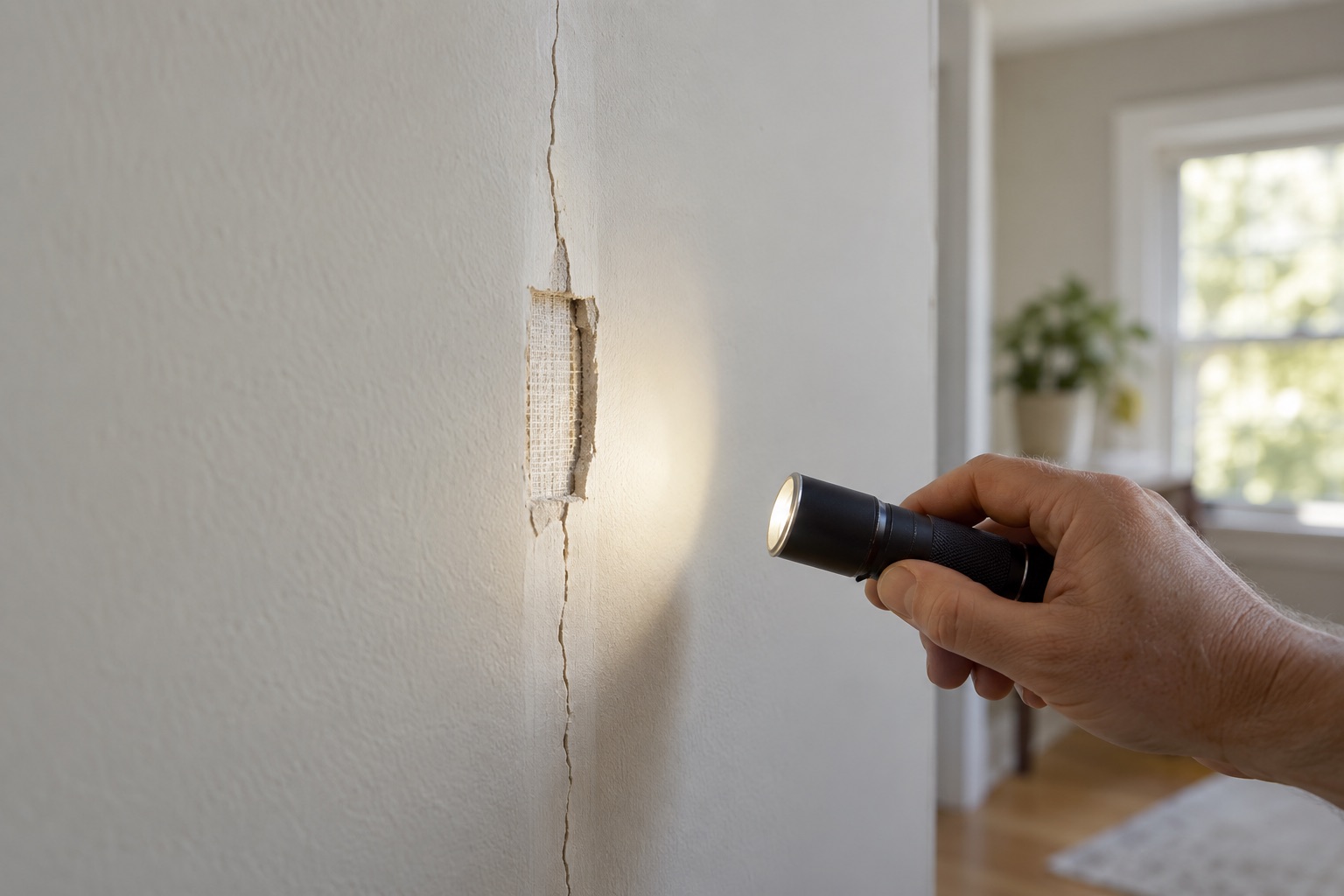
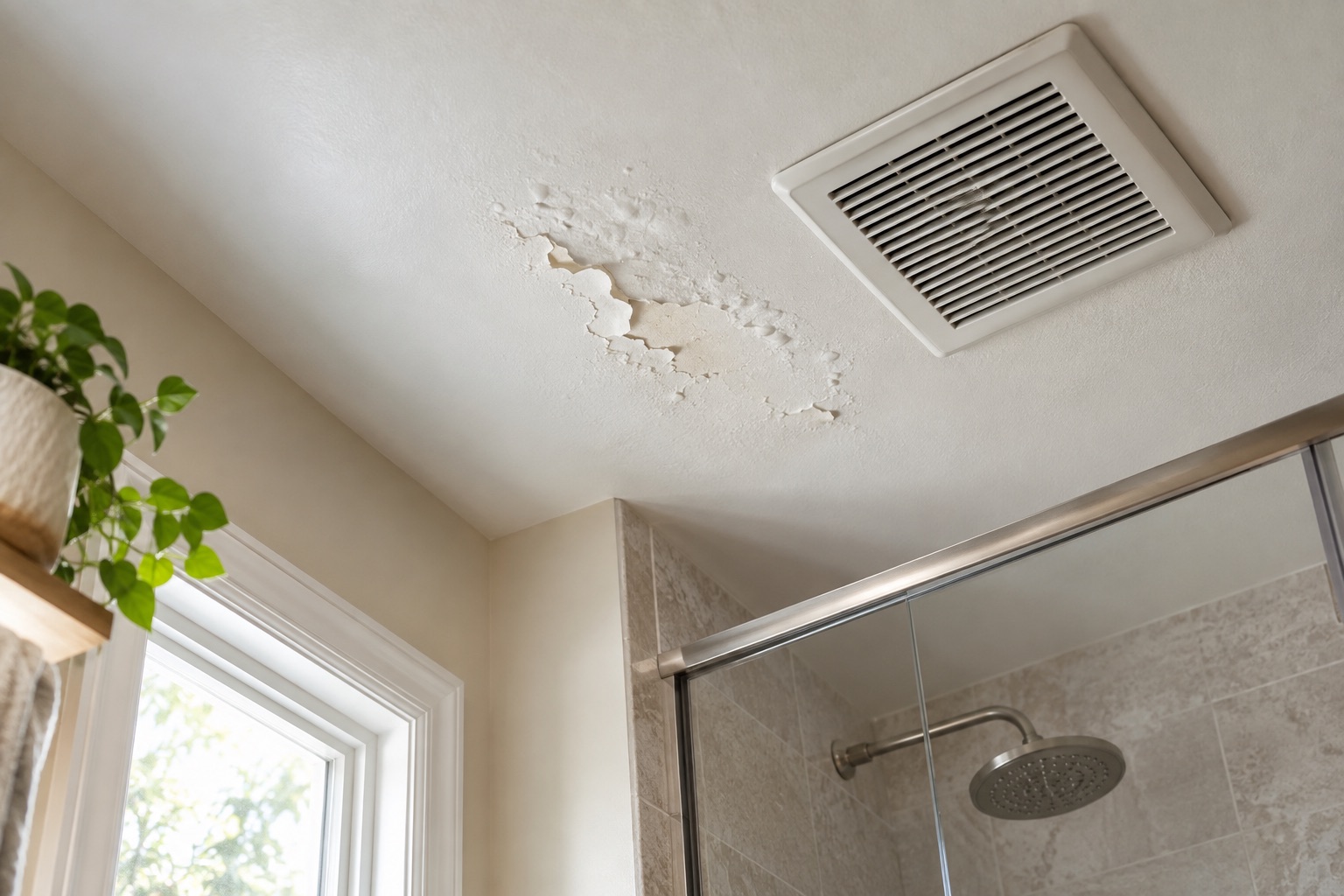
Inspect the edge of a peeling area without tearing off large sections. Note whether the new paint lifts from an older coating, whether paper or plaster comes with it, or whether the surface underneath is powdery or damp. The repair depends on that interface. A topcoat cannot reliably bond a loose base layer back to the ceiling.
The homeowner discussion behind this article described repeated scraping and repainting despite a replaced fan. Another thread about recurring ceiling peeling involved multiple paint choices without a lasting result. These accounts show why changing the paint label alone can miss the cause. Document the affected locations and timing: near the shower, around a leak mark, across an old repair or throughout the ceiling. The pattern is evidence to investigate, not a complete diagnosis.
Separate surface condensation from a concealed water source
Moisture on the room side and water entering from behind can produce similar-looking paint damage. Observe whether the problem follows shower use, rain, plumbing activity or an unrelated event. Staining, soft material or a localized damp patch may justify investigation beyond the finish.
Sherwin-Williams' interior-moisture guidance places moisture correction before surface repair. EPA's remodeling guidance similarly recommends addressing the underlying cause of damaged finishes. This does not mean every peeling ceiling needs the same ventilation change. Fan sizing, ducting and building-water diagnosis should be handled by the appropriate qualified trade when indicated. For the finish scope, require confirmation that the relevant moisture condition has been addressed and that the substrate is suitable before new primer and paint are applied.
Resolve old-paint hazards before scraping or sanding
An older bathroom may contain several generations of coating even if the visible color is recent. Do not assume the most recent remodel removed every older layer. Abrasive preparation can create dust from material beneath the topcoat.
For pre-1978 housing or uncertain age, use the appropriate lead assessment and work plan. EPA's lead-safe renovation guidance explains why disturbing older paint requires special attention and why certified help is recommended. Ordinary bathroom repainting instructions are not a substitute for that process. Keep occupants away from the work as required by the hazard-control plan. Also assess damaged or suspect underlying materials before disturbing them. A small peeling patch does not justify careless preparation simply because the final painting task appears minor.
Remove unsound material and repair the base
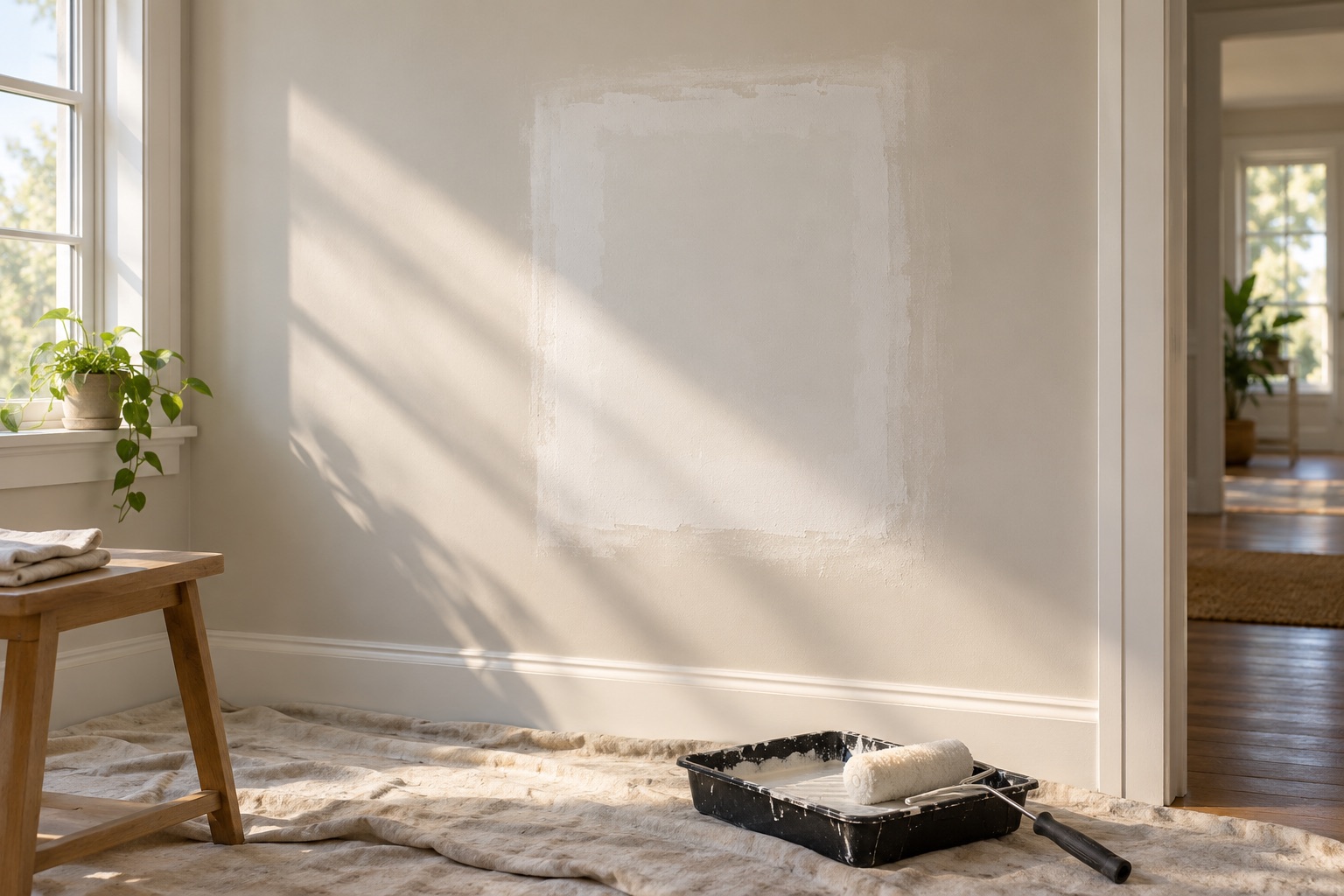
The soundness of the remaining surface matters more than making the ceiling look uniformly scraped. Remove failing material using the appropriate safe method, then evaluate the substrate and edges. Torn facing, soft plaster or damaged joint compound may need repair before primer.
Follow the repair material's instructions for drying and preparation. Do not trap damp material beneath a new coating merely to finish in one visit. Feathering and texture matching should be planned so the repair does not remain conspicuous under the bathroom's lighting. If large areas of old coating continue to release during preparation, stop and revise the scope rather than chasing an undefined patch boundary. The installer should explain which layer is retained and why it is sound enough to receive the new system.
Select primer and topcoat as a compatible system
Choose products for the actual substrate, retained coating and exposure. A bathroom-rated topcoat does not remove the need for a suitable primer over repairs or difficult old surfaces. Likewise, an exterior paint is not an automatic upgrade for an interior humidity problem; intended use and manufacturer instructions matter.
Ask the painter to identify the preparation, primer and finish products and explain their role. Compare sheen and cleanability with the desired appearance. More sheen may reveal surface defects that were less visible before, so a product change can alter preparation expectations. Test a representative area where adhesion or appearance is uncertain. Do not mix leftovers from unrelated systems merely because both cans say latex. The coating sequence should be repeatable and supported by the selected manufacturers.
Allow the room and coating to reach service readiness
Bathrooms are often returned to use quickly, but a freshly painted surface can be affected by moisture before the product is ready. Distinguish the time before another coat from the time before normal shower exposure and cleaning. The actual product instructions and room conditions determine the schedule.
Plan the work around household access so the painter is not pressured into promising an unsupported overnight turnaround. Record application dates and unusual temperature or humidity conditions if problems recur. Do not direct excessive heat at the surface in an attempt to force a cure; follow the coating manufacturer's recommendations. A hypothetical household with one bathroom may need a practical temporary bathing arrangement or carefully scheduled work. That logistical decision can be as important to the outcome as choosing a different paint.
Inspect the result and watch the original failure area
At completion, compare texture, color and sheen under normal lighting. Check repaired edges and corners for loose material, and confirm the surface has not simply been coated over unresolved damage. Keep the product list and the record of moisture correction.
After the specified return to use, observe whether the same area remains damp or begins separating again. If peeling returns, the previous photographs and layer information can help a qualified evaluator narrow the cause. Avoid repeatedly adding another coat without reviewing that evidence. A successful finish repair rests on a sound dry base, compatible materials and suitable cure conditions. It should be accompanied by a credible explanation of why the earlier coating failed and what changed, while leaving any required ventilation or leak work to the appropriate assessment.
BEFORE YOU PROCEED
Your project checklist
- Identify the interface where paint separates.
- Record the damage pattern and when moisture appears.
- Investigate concealed water where indicated.
- Resolve lead and other old-material hazards before preparation.
- Specify compatible repair, primer and finish products.
- Plan shower use around actual coating readiness.
Questions that come up next
Will bathroom paint fix peeling by itself?
Not if the substrate, old coating or moisture condition remains unsuitable.
Should I use exterior paint on the ceiling?
Do not assume that is appropriate. Use products approved for the interior application and address the cause of failure.
EVIDENCE & SCOPE
Sources for this guide
Applies to: United States general material and workmanship guidance; selected-product instructions and applicable local requirements control.
Reddit discussions identify questions and experiences, not verified diagnoses or code requirements. Technical claims should be read with the linked primary source, product instructions and local requirements.
- EPA: Lead-Safe Renovations for DIYersgovernment
Pre-1978 paint, testing, isolation, cleanup and homeowner/RRP distinctions. US federal homeowner guidance on lead-safe renovation; project-specific program applicability varies.
- EPA: Indoor Air Quality Best Practices During Remodelinggovernment
Dust isolation, occupants, ventilation, cleanup and backdrafting limitations. General US indoor-air guidance; its ordinary ventilation approach does not cover lead-paint disturbance.
- Bathroom ceiling paint keeps peeling - how do I fix it for good?reddit
Scraping and repainting repeatedly fail in an old bathroom despite a replaced exhaust fan. Search excerpt reviewed; the full discussion was not available during research. This is an individual homeowner account.
- Bathroom ceiling peels every other year or so. Am i botching something remediating?reddit
Multiple paint choices do not stop recurring peeling under prolonged shower humidity. Search excerpt reviewed; the full discussion was not available during research. This is an individual homeowner account.
- Sherwin-Williams: Peeling Due to Interior Moisturemanufacturer
Moisture correction before removal, cleaning and priming. Indexed manufacturer guidance reviewed for coating failure and surface preparation.