THE SHORT ANSWER
Compare heat-pump quotes using the exact matched equipment and the conditions it must serve. Nominal tons and a headline efficiency rating do not show minimum output, cold-weather capacity, moisture performance or installation quality. Start with the house's calculated loads, then compare distribution, backup heat, controls and commissioning on the same basis across proposals.
Begin with a common description of the house
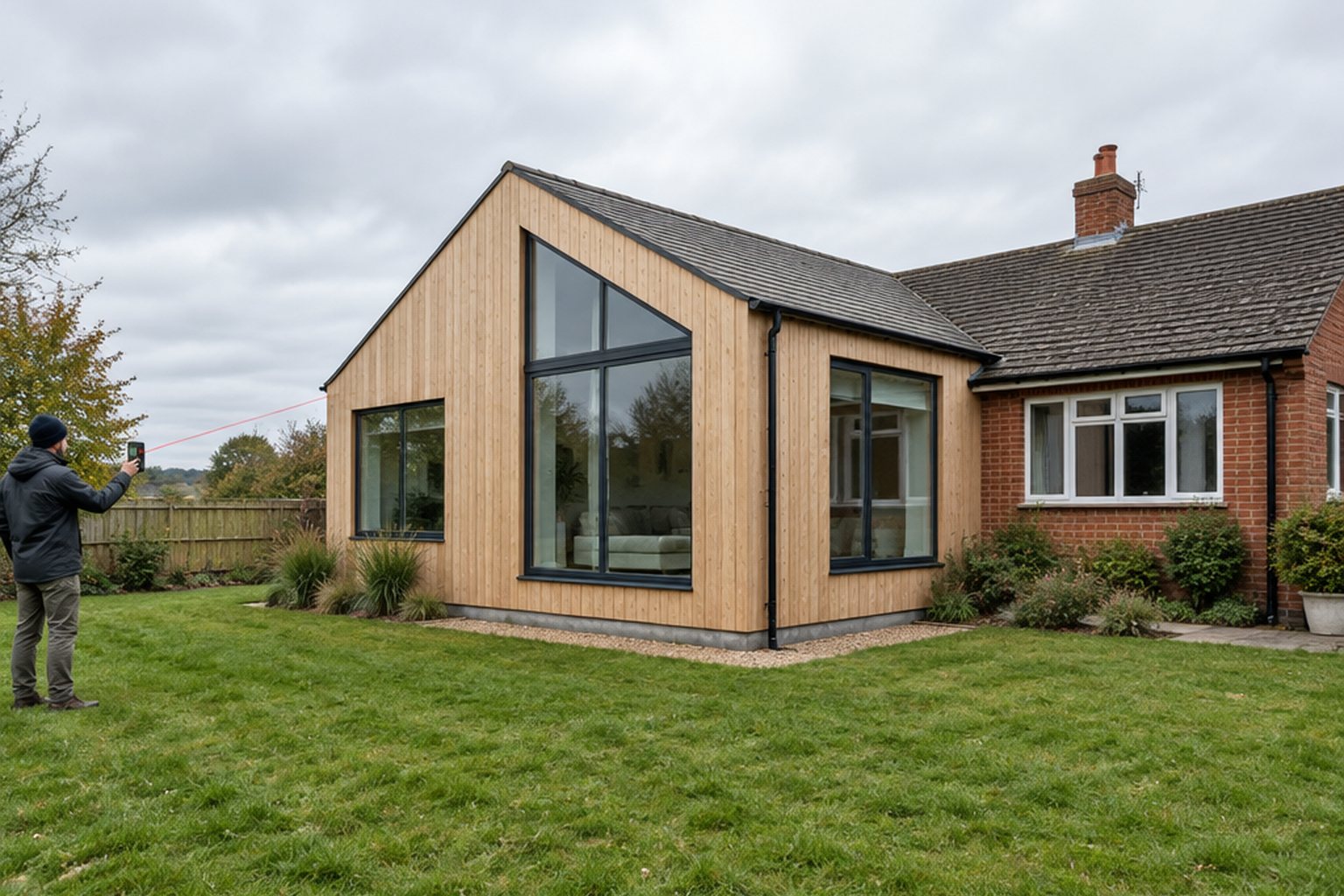
Give bidders the same information about planned insulation, windows, conditioned rooms and comfort complaints. Ask whether each proposal models the finished house or relies on existing equipment size. A quote prepared before major enclosure changes can reflect a different project from one prepared after the final specifications are known.
The researched heat-pump discussion involved comparing design load with equipment performance and concern about oversizing. That is more useful than asking which brand is best in the abstract. Establish the load and distribution problem first. A product can be technically capable while still being a poor match for the particular house, controls or room arrangement.
Ask for exact matched equipment
Record outdoor-unit, indoor-unit and relevant control model numbers. Different combinations within a product family can have different performance. A proposal that names only a brand and nominal capacity leaves too much unresolved for a meaningful comparison. Ask whether any substitution requires review before installation.
DOE's heat-pump sizing material links selection to load and equipment performance under relevant conditions. Its cold-climate focus does not supply a design temperature for every location. The contractor should identify the conditions applicable to your house and show how the proposed combination performs there. Marketing terms such as high efficiency or cold climate are useful descriptions, but they do not replace that comparison.
Compare maximum capacity and minimum output
The system must meet the intended design strategy during demanding conditions, but it spends much of its time under lighter loads. Ask about the operating range of the actual combination and how controls manage part-load demand. Variable-speed equipment is not infinitely adjustable; the lower end of its output can still matter in small or efficient spaces.
For a hypothetical well-insulated home, a unit selected only to maximize heating capacity may create a difficult cooling or mild-weather match. Another home may require a clear backup-heat strategy rather than a larger compressor alone. The correct tradeoff depends on climate, loads and operation. Ask the designer to explain the choice rather than assuming more capacity always provides a useful safety margin.
Put the quote differences into a short comparison
Use a consistent worksheet so missing information remains visible. Do not fill gaps with assumptions from another model or a retailer's listing. A blank field is a question for the bidder, not proof that the feature is absent. Include the document or specification supporting important claims.
| Compare | Evidence to request | Why it matters |
|---|---|---|
| House loads | Calculation and stated assumptions | Establishes the demand being served |
| Matched equipment | Exact indoor and outdoor model numbers | Identifies the relevant performance data |
| Operating range | Output at applicable conditions | Shows design and part-load fit |
| Distribution | Duct or indoor-unit plan | Connects capacity to occupied rooms |
| Completion | Commissioning scope and handover | Defines how installation is verified |
This comparison is intentionally broader than price. It makes a less complete offer visible without automatically declaring the most expensive proposal better.
Treat humidity as a design requirement
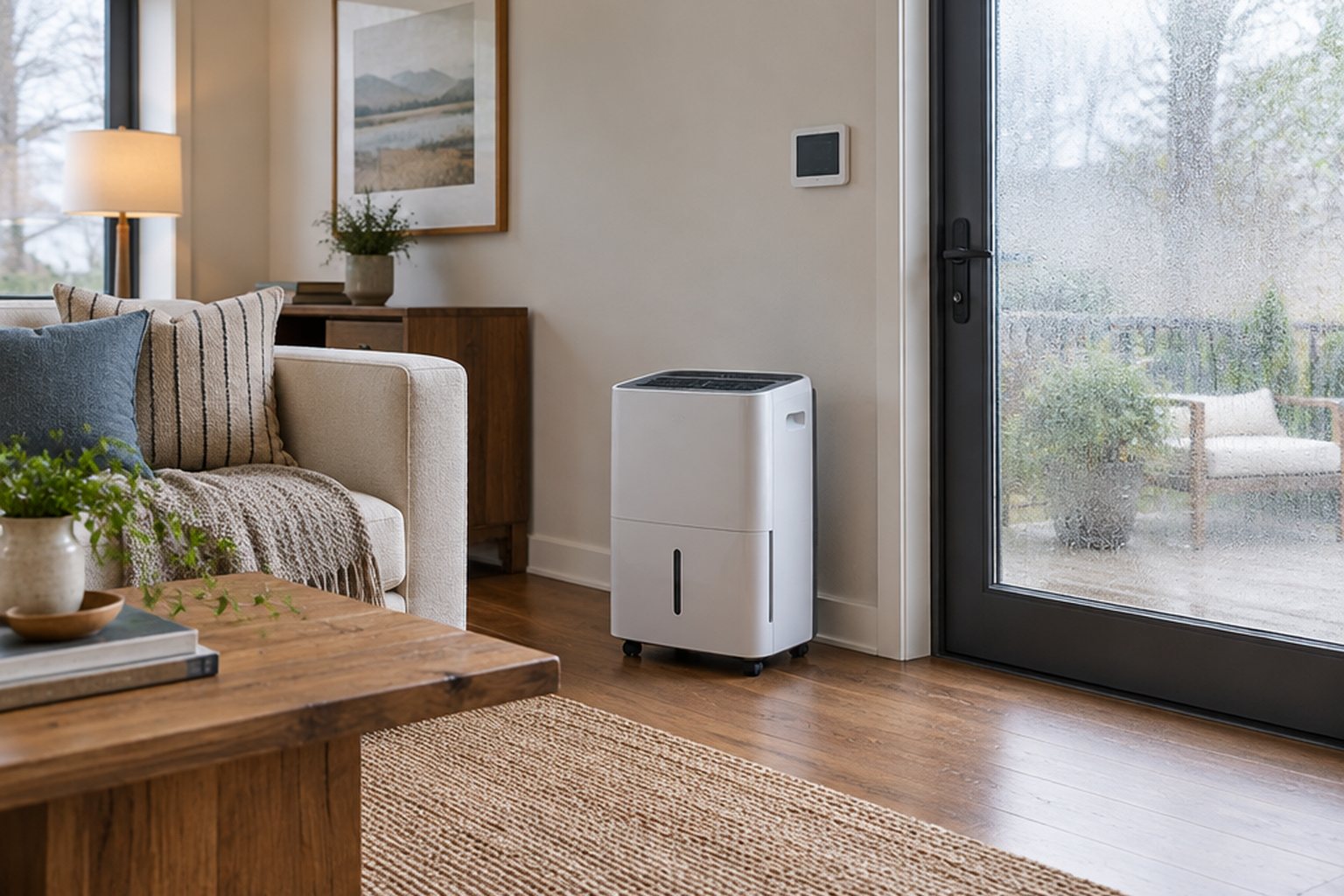
In cooling operation, temperature control and moisture removal are connected but distinct. Ask how the proposed equipment, airflow and controls address the home's latent load, particularly during humid weather with modest cooling demand. A system that satisfies the thermostat quickly may not provide the desired moisture control under every condition.
PNNL's dehumidification guidance describes why equipment selection and moisture loads need coordination. It does not mean every heat pump needs a separate dehumidifier. Ask the contractor to explain the expected strategy and what observations would justify additional equipment. A promise to run a colder setpoint is not an adequate substitute for assessing why the home might remain humid.
Compare distribution and room coverage
For ducted systems, ask whether the existing ducts and returns were evaluated for the proposed equipment and room loads. For ductless arrangements, ask how normal closed-door use affects rooms without a directly serving indoor unit. A floor plan showing equipment locations is more informative than a total capacity number with no distribution explanation.
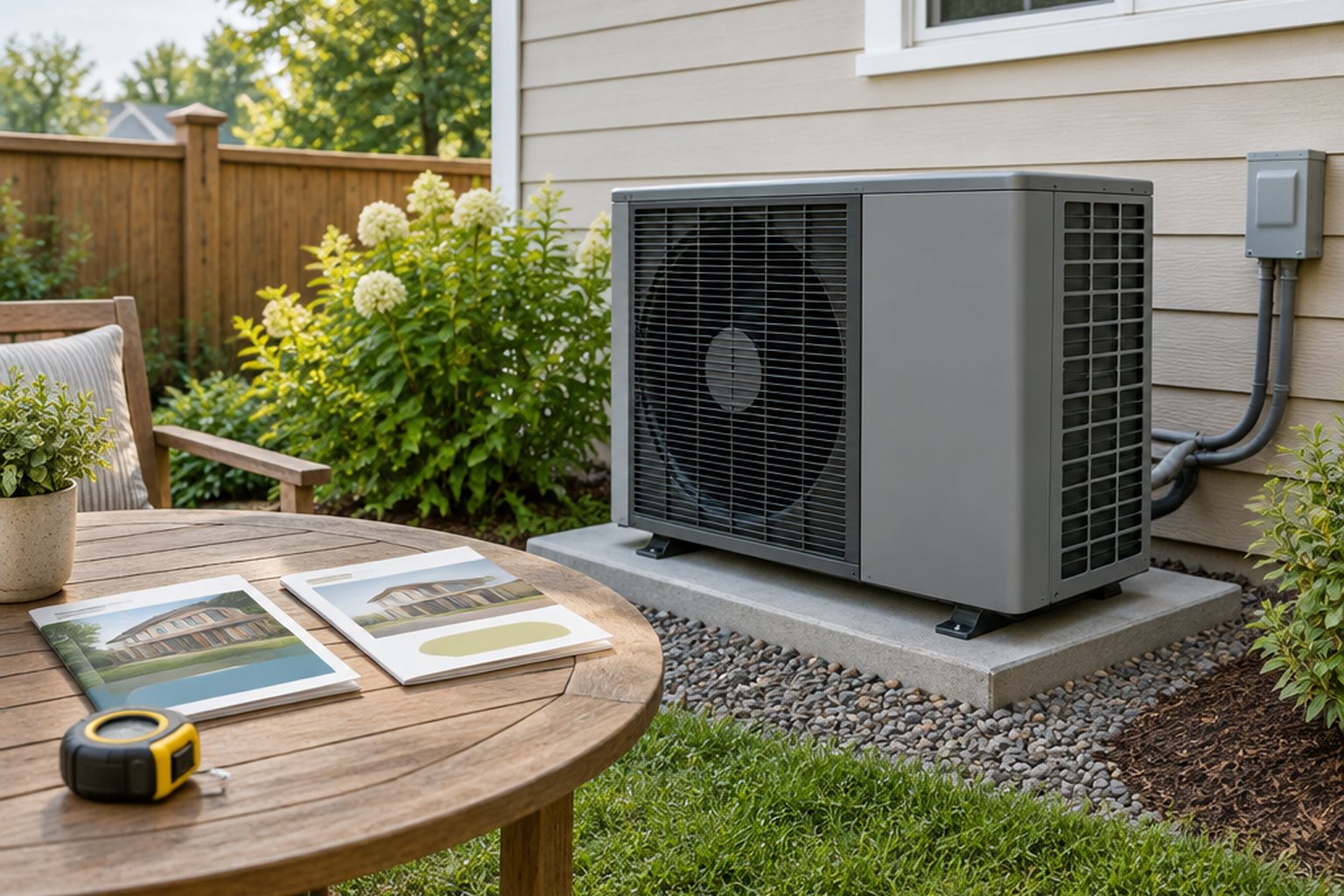
Consider sound, air movement and service access in occupied spaces. Indoor-unit placement can affect furniture and daily use, while an outdoor location can affect drainage, exposure and maintenance. These are installation decisions with practical consequences. Ask for them before ordering, especially where cabinetry, additions or exterior work will restrict later changes.
Clarify backup heat and controls
Ask when backup heat operates, how it is controlled and what electrical or fuel infrastructure it requires. The proposal should distinguish intentional backup strategy from equipment that engages unexpectedly because controls were configured poorly. Homeowners should receive a plain-language explanation of normal operation and the implications of large setpoint changes for the selected system.
Compare included thermostats, sensors and zoning arrangements. Compatibility and configuration can matter as much as the visible thermostat interface. If a preferred smart control is proposed, confirm that it preserves the intended equipment functions. Do not assume every third-party thermostat works identically with every variable-capacity system. The bidder should identify supported controls and responsibility for setup.
Require installation evidence before calling the quotes equivalent
The final proposal should describe commissioning, relevant airflow or refrigerant checks, condensate verification and control setup appropriate to the equipment. Ask which results you receive and who addresses a failure discovered during startup. Avoid treating a brief demonstration that warm or cool air comes out as complete performance verification.
Keep the final model numbers, settings, maintenance instructions and warranty information. Compare comfort and humidity through relevant weather, with specific records if concerns persist. A good quote makes the intended result reviewable before purchase and provides evidence afterward. The lowest initial cost can be attractive, but only once the proposals describe comparable equipment, installation work and completion responsibilities.
BEFORE YOU PROCEED
Your project checklist
- Give all bidders the same finished-house assumptions.
- Obtain exact matched model numbers and relevant performance data.
- Compare minimum output as well as design-condition capacity.
- Review humidity strategy and actual room coverage.
- Clarify backup heat, controls and infrastructure needs.
- Specify commissioning records and supported operating instructions.
Questions that come up next
Is a higher efficiency rating enough to choose a heat pump?
No. The rating does not establish fit to your house, room distribution, operating range or installation quality. Compare those factors alongside the exact matched equipment's performance information.
Can variable-speed equipment still be oversized?
Yes, its output has limits. Whether oversizing is consequential depends on the actual operating range, loads and controls, so ask for a documented equipment-selection explanation.
EVIDENCE & SCOPE
Sources for this guide
Applies to: United States homeowner education. Climate, existing assembly, manufacturer instructions and locally adopted requirements govern project details; no nationwide code threshold is asserted.
Reddit discussions identify questions and experiences, not verified diagnoses or code requirements. Technical claims should be read with the linked primary source, product instructions and local requirements.
- HVAC - Cold Climate Heat Pump Sizinggovernment
Load calculations, capacity selection, balance point and part-load performance. Cold-climate examples are background, not design conditions for every location.
- Whole-House Dehumidificationgovernment
Sensible versus latent loads, equipment selection and supplemental dehumidification. Technical guidance; local requirements and product-specific details vary.
- Sizing cold climate heat pump - do hyperheat units end up oversized?reddit
An anonymized homeowner question that informed the article. Retrieved through search excerpts; anecdotal evidence, not a technical diagnosis.
- Discrepancy in Manual J Resultsreddit
An anonymized homeowner question that informed the article. Retrieved through search excerpts; anecdotal evidence, not a technical diagnosis.