THE SHORT ANSWER
Recurring mold usually means the moisture conditions that supported it have not been resolved. Cleaning the visible surface is only one part of the work. Establish whether the moisture comes from rain, plumbing, condensation or the ground; evaluate affected materials and hidden areas; then verify source correction and drying before repainting or rebuilding the finish.
Treat recurrence as information
When growth returns to the same location, write down when it returns and what happened beforehand. A patch that follows rain suggests a different investigation from one that appears through a cold season or after frequent showering. The timing helps organize questions, but it does not identify the source conclusively. More than one source can contribute to the same damp material.
One researched homeowner discussion described substantial growth inside a wall despite no obvious plumbing nearby. Hidden moisture does not have to come from a pipe in that wall. Water can travel from elsewhere, and condensation can occur where indoor moisture meets a sufficiently cold surface. The investigation should remain open to those possibilities rather than beginning with a favored chemical treatment.
Keep cleanup and source correction together
EPA's explanation of recurring mold makes the central relationship clear: cleaning without fixing the water problem leaves the conditions for growth in place. That does not mean homeowners should postpone every cleanup until an elaborate building study is complete. It means the scope needs both exposure control and a credible plan to stop the wetting, coordinated by people qualified for the conditions encountered.
Ask who owns each part of the work. A remediation contractor may address contaminated material while a plumber or envelope specialist corrects the source. If these are separate companies, make the handoff explicit. Otherwise one party may assume another has fixed the leak, and the finish installer may close the wall while everyone waits for someone else to confirm drying.
Distinguish likely moisture pathways
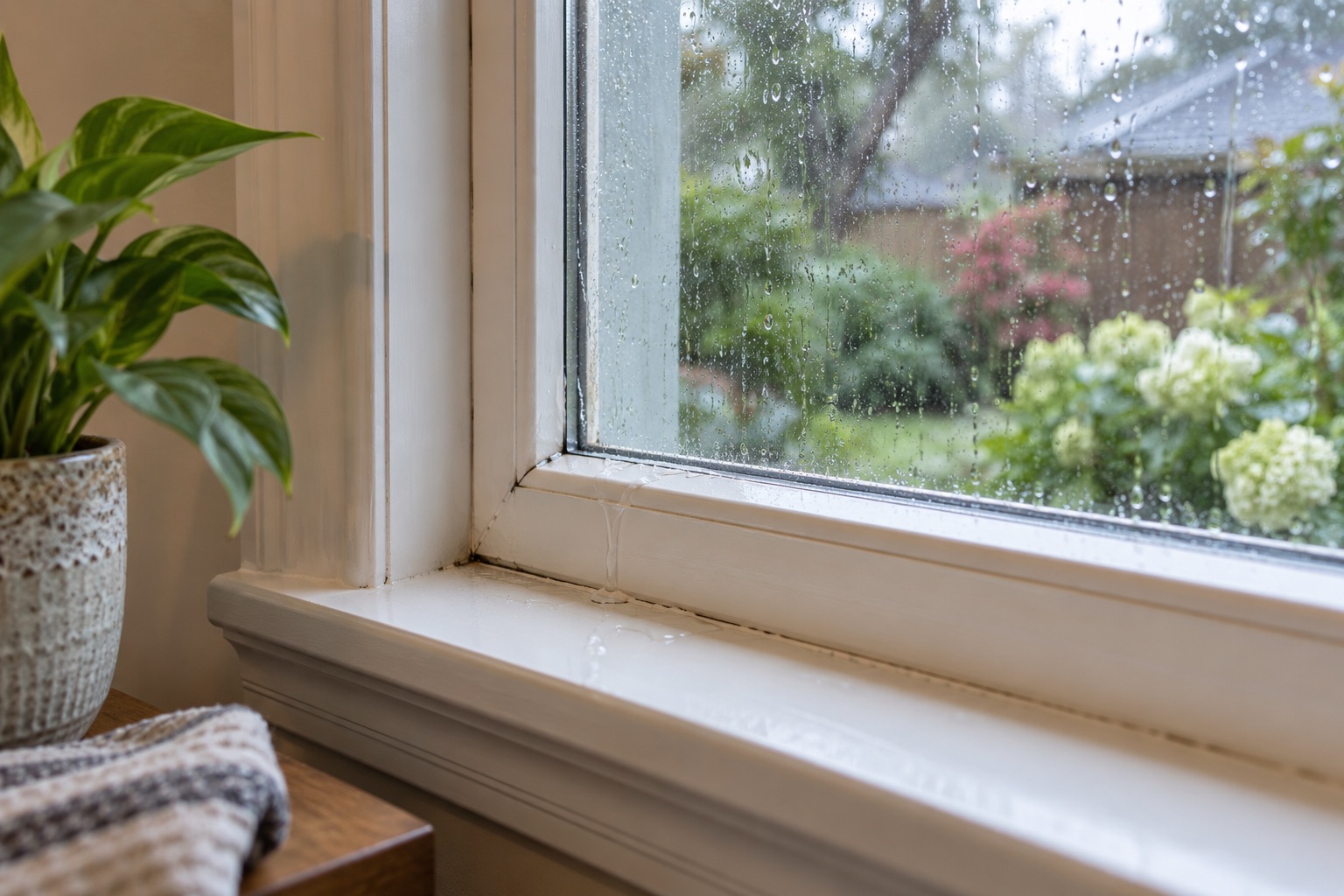
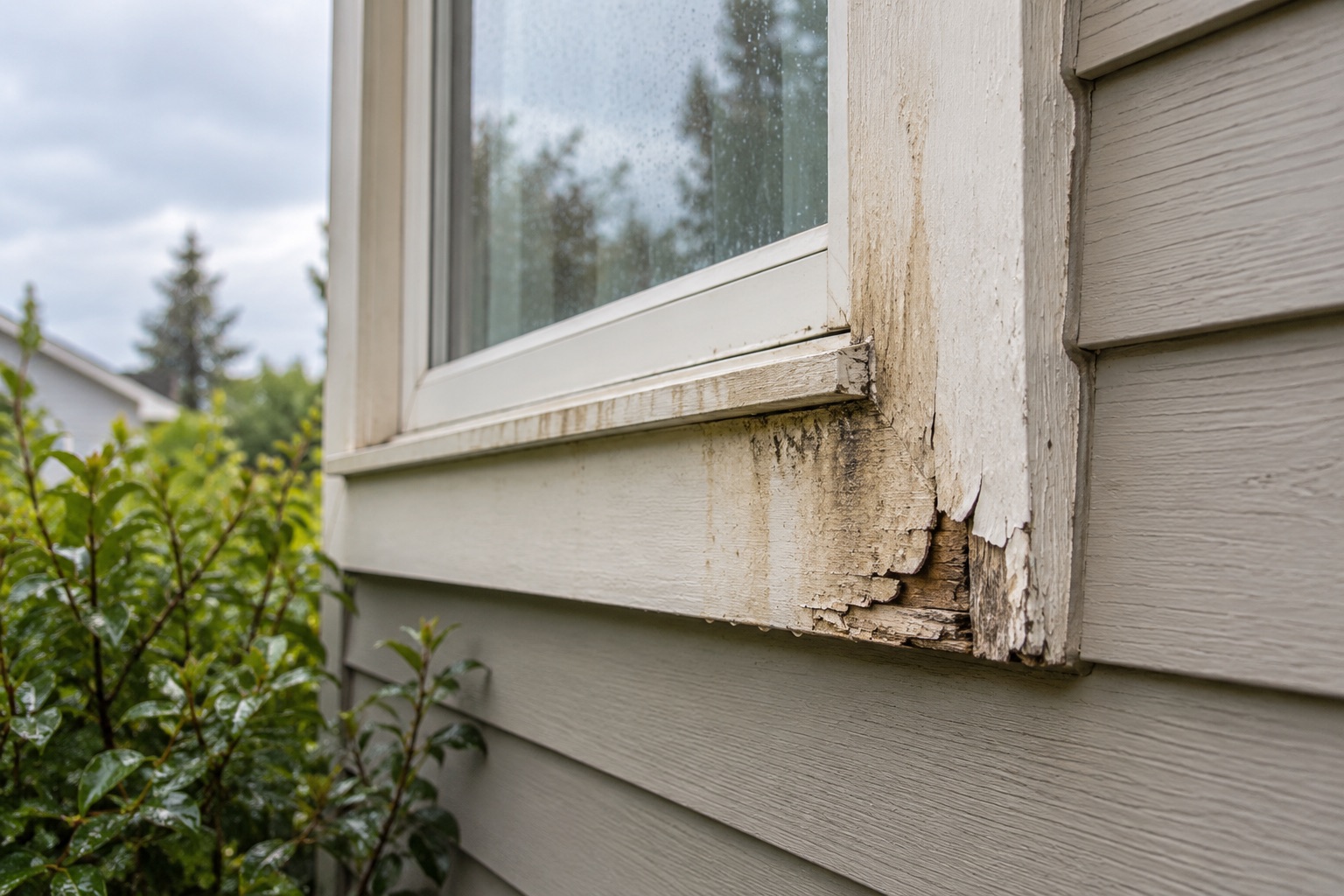
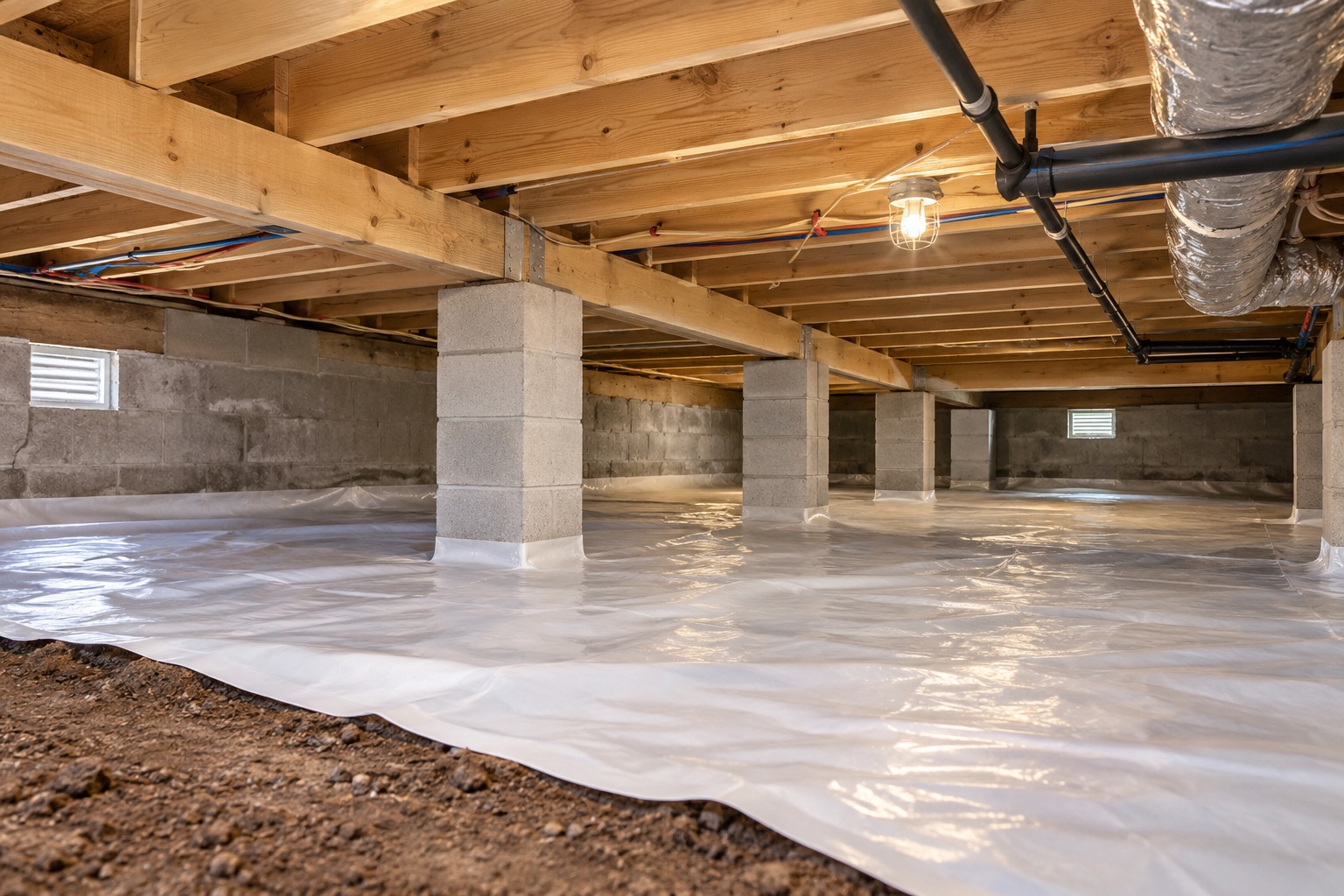
Rain-related problems call for investigation of roof and wall drainage, openings and penetrations. Supply-pipe leaks may continue between uses, while a waste-line defect may appear only when a particular fixture operates. Ground moisture can affect crawlspaces and adjoining materials. Condensation depends on both moisture in the air and surface temperature, so changing only room temperature may leave the underlying problem unresolved.
A useful record combines these observations rather than relying on a single reading. Note rainfall, fixture use, indoor humidity trends and the exact location of visible damage. Photographs should include context, not only a close-up of the patch. Avoid taking apart a suspect wall yourself simply to identify mold; disturbing concealed material may change the exposure and expand the cleanup problem.
Recognize the limits of appearance and testing
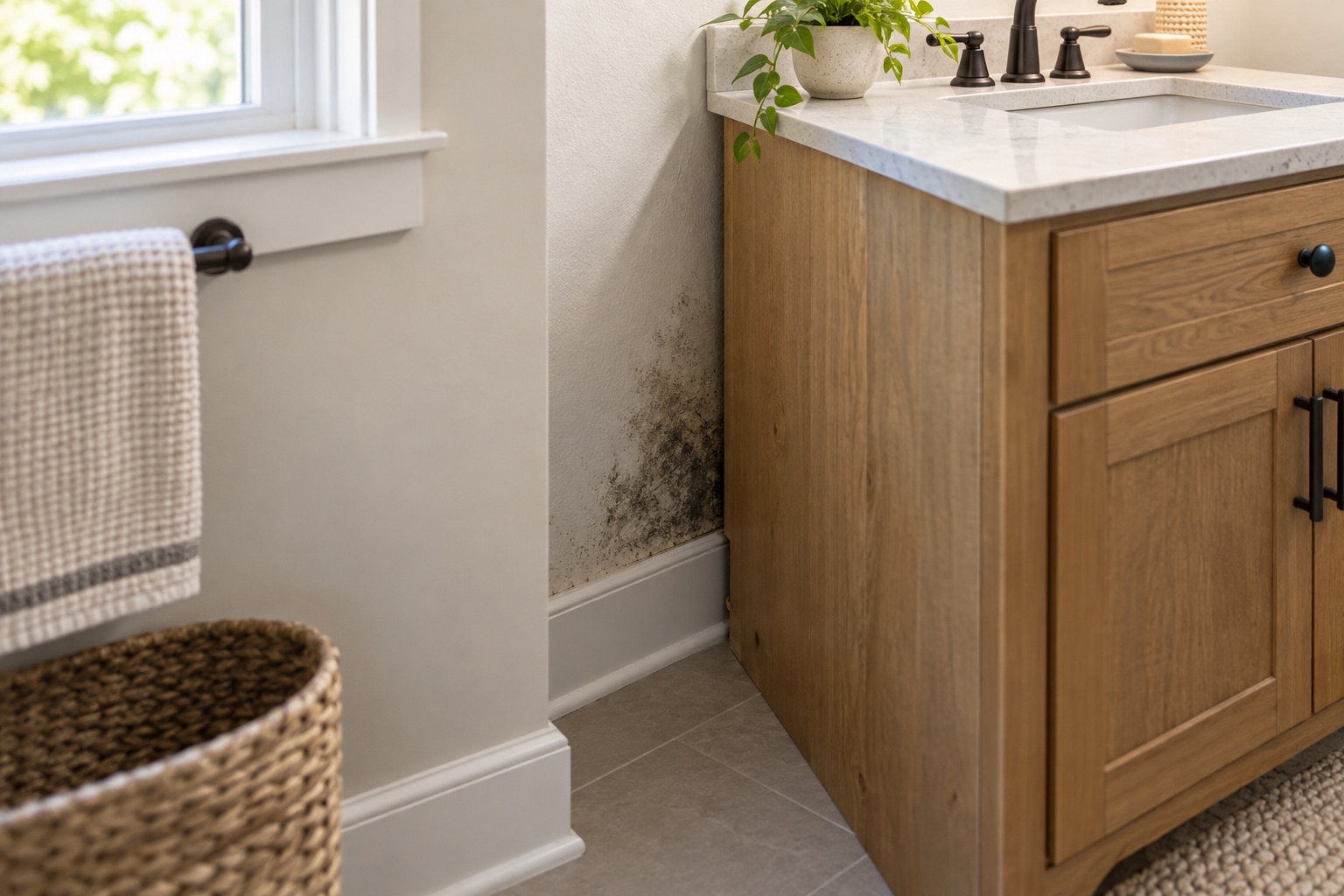
Color does not establish species, health risk or the repair scope. A musty odor can support further investigation but does not map all affected material. A pinless meter can respond differently to materials and concealed metal; a thermal image shows temperature patterns. Neither instrument independently proves mold or clears an assembly. Ask an investigator what each measurement can establish and how the result was corroborated.
EPA's homeowner mold guide discusses when professional assistance is appropriate and why cleanup depends on the extent and nature of the problem. Use those factors instead of a remote diagnosis from an image. People with health concerns need advice from their healthcare professional; a remodeling article cannot determine whether a particular exposure explains an individual's symptoms.
Decide what can remain and what needs removal
Hard, cleanable surfaces and porous materials present different cleanup problems. The question is not merely whether a product kills organisms on contact. It is whether affected material can be adequately cleaned and dried, whether contamination extends into inaccessible layers, and whether the material still performs its original job. A deteriorated paper-faced board does not regain its integrity because its visible surface looks lighter.
Ask the qualified cleanup professional to explain the material decisions in writing. Where removal is proposed, define the initial extent, containment arrangements and how newly exposed conditions will be evaluated. Where retention is proposed, ask how cleaning and drying will be assessed. Avoid blanket promises that every item must be discarded or that every material can be saved with the same spray.
Make humidity changes measurable
If condensation or general indoor humidity is part of the diagnosis, collect readings in relevant rooms and at useful times rather than trusting one isolated number. Check that the instrument is suitable and positioned away from a shower plume, supply register or direct sunlight when assessing the room generally. Record temperature with humidity because relative humidity changes with temperature.
A hypothetical bathroom may show growth after repainting even though its fan makes noise. The missing question is whether the fan actually moves air outdoors through an intact duct. Another room may need attention to a cold surface or hidden rain leak instead. Buying a larger dehumidifier without separating these cases can reduce symptoms while leaving the damaging water path untouched.
Set completion criteria before rebuilding
Completion should include correction of the identified water source, appropriate cleaning or removal, and a documented basis for closing the assembly. Ask which materials were checked, where readings were taken and what comparison or product-specific criterion was used. Do not demand one universal moisture percentage for all materials; the method must match the material and instrument.
The HUD rehabilitation inspection guide provides historical context for examining existing building systems and concealed conditions. Its broader inspection approach is useful when growth points to an underlying defect, but dated regulatory references should not govern a current project. Require current product instructions and local requirements where applicable. Repainting is a finish milestone, not evidence that the moisture problem has been resolved.
Keep a recurrence plan that can be followed
After the work, retain source-repair photographs, cleanup scope, drying documentation and any maintenance instructions. Identify what to watch during the next relevant weather or use condition. If the original pattern was seasonal, a dry afternoon inspection has obvious limits. Ask how a recurrence will be reported and which contractor should respond first.
Practical prevention follows the diagnosed mechanism: maintain exterior drainage, repair plumbing defects, verify exhaust operation or address persistent indoor humidity as appropriate. Avoid repeatedly applying stronger chemicals without reconsidering the cause, and never mix cleaning products. If growth returns, share the earlier evidence so the next assessment can test the original explanation instead of restarting with another cosmetic treatment.
BEFORE YOU PROCEED
Your project checklist
- Record recurrence timing, weather and nearby fixture use.
- Assign responsibility for both source correction and cleanup.
- Ask what instruments establish and where their limits remain.
- Document why affected materials are retained or removed.
- Verify drying and source correction before finishes conceal the area.
- Keep a written response plan for recurrence.
Questions that come up next
Can I paint over mold after it dries?
Paint does not resolve a moisture source or substitute for appropriate cleanup. Establish that the affected substrate can be retained, clean it appropriately, and verify the moisture problem is corrected before refinishing.
Does black-colored growth mean a particular dangerous mold?
Appearance alone cannot reliably identify mold species or assess an individual's health risk. Decisions should consider the moisture problem, affected materials and exposure conditions, with qualified help where appropriate.
EVIDENCE & SCOPE
Sources for this guide
Applies to: United States homeowner education. Climate, existing assembly, manufacturer instructions and locally adopted requirements govern project details; no nationwide code threshold is asserted.
Reddit discussions identify questions and experiences, not verified diagnoses or code requirements. Technical claims should be read with the linked primary source, product instructions and local requirements.
- How do I get rid of mold?government
Why mold can recur if the water problem is not corrected.
- A Brief Guide to Mold, Moisture and Your Homegovernment
Moisture-source correction, porous materials, professional cleanup decisions and completion criteria.
- Residential Rehabilitation Inspection Guidegovernment
Existing-building inspection, structural distress and hidden systems assessment. Historical HUD guide accepted in 2000; inspection background, not a statement of current local code.
- I just bought my first house and I found a lot of mold inside my walls tonight. I’m worried.reddit
An anonymized homeowner question that informed the article. Retrieved through search excerpts; anecdotal evidence, not a technical diagnosis.
- Rain leaked through window. How to fix?reddit
An anonymized homeowner question that informed the article. Retrieved through search excerpts; anecdotal evidence, not a technical diagnosis.