THE SHORT ANSWER
A sealed crawlspace can stay humid because water is still entering, damp materials are still drying, air leaks remain, or the moisture-removal system is not working as intended. Start with observations over time and the installed design. Diagnose the source before adding more equipment or opening vents, either of which can change the system in ways the original installer did not anticipate.
Define what still humid means
Record temperature and relative humidity over several days, including relevant rain and cooling-system operation. Note where the sensor sits. A reading beside a dehumidifier outlet, against a cold surface or directly in a supply airstream may not represent the space. If readings look implausible, compare with another suitable instrument before making a costly decision. Save the pattern, not just the highest number.
An encapsulation discussion in the research sample showed owners debating remaining humidity after installing a liner. That question is reasonable, but the label encapsulated does not establish what equipment or enclosure details exist. Gather the original proposal, installation photographs and product information. These documents help distinguish incomplete work from a system that needs commissioning, adjustment or more drying time.
Look for active liquid water first
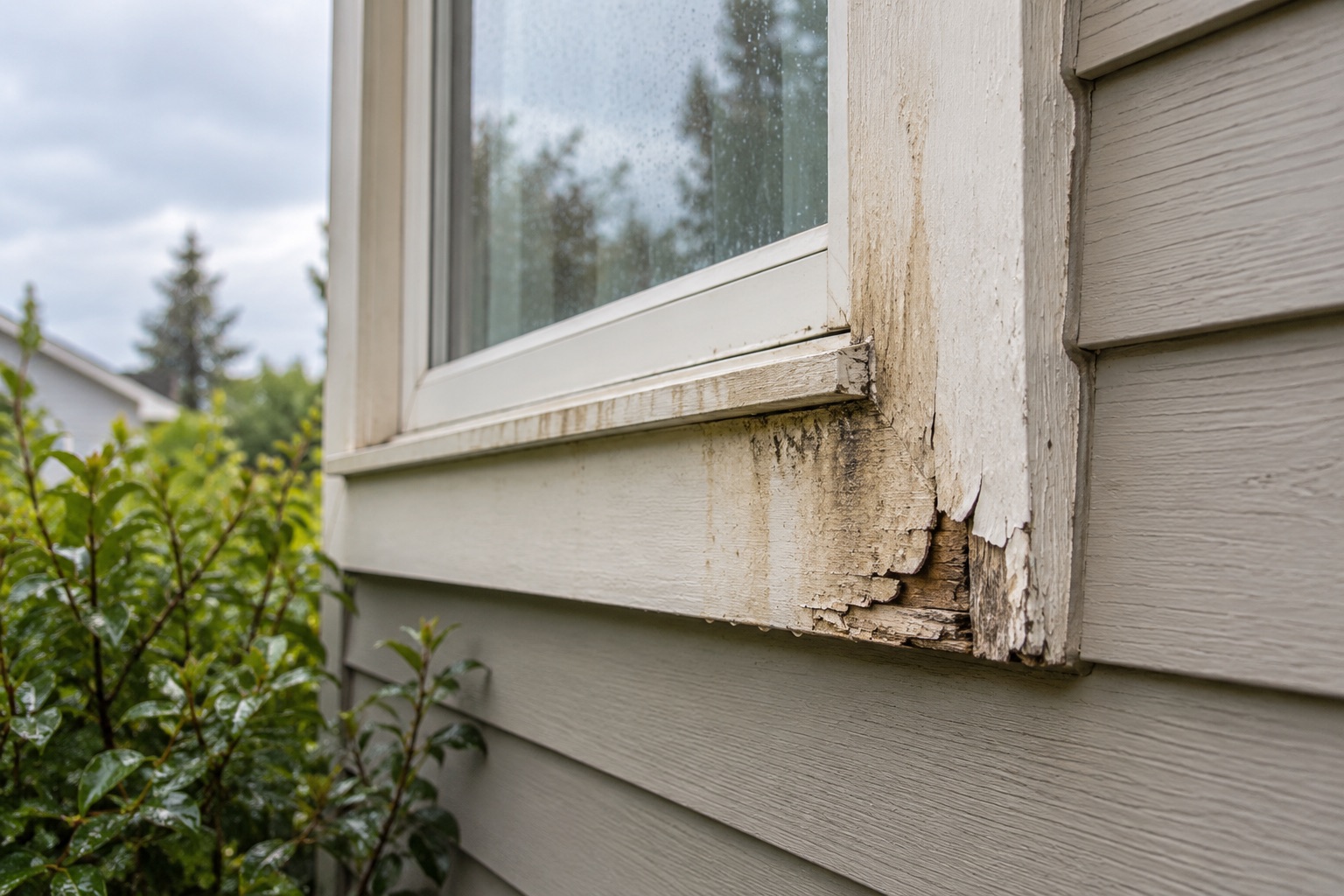
Inspect accessible areas for standing water, plumbing leaks, fresh staining and soil or debris patterns suggesting recent entry. Check what happens after rainfall and when nearby plumbing fixtures operate. Water below a ground liner can still matter, even if the upper surface looks clean. Do not assume an attractive continuous sheet means drainage has been solved.
PNNL's crawlspace water-management guide identifies drainage and moisture correction as prerequisites to sealing. Ask the installer how the observed water is collected and discharged. A dehumidifier is designed to remove vapor from air, not replace a needed liquid-water drainage system. If a drain or sump is part of the design, its condition and discharge destination deserve inspection before equipment capacity is blamed.
Inspect the boundaries and interruptions
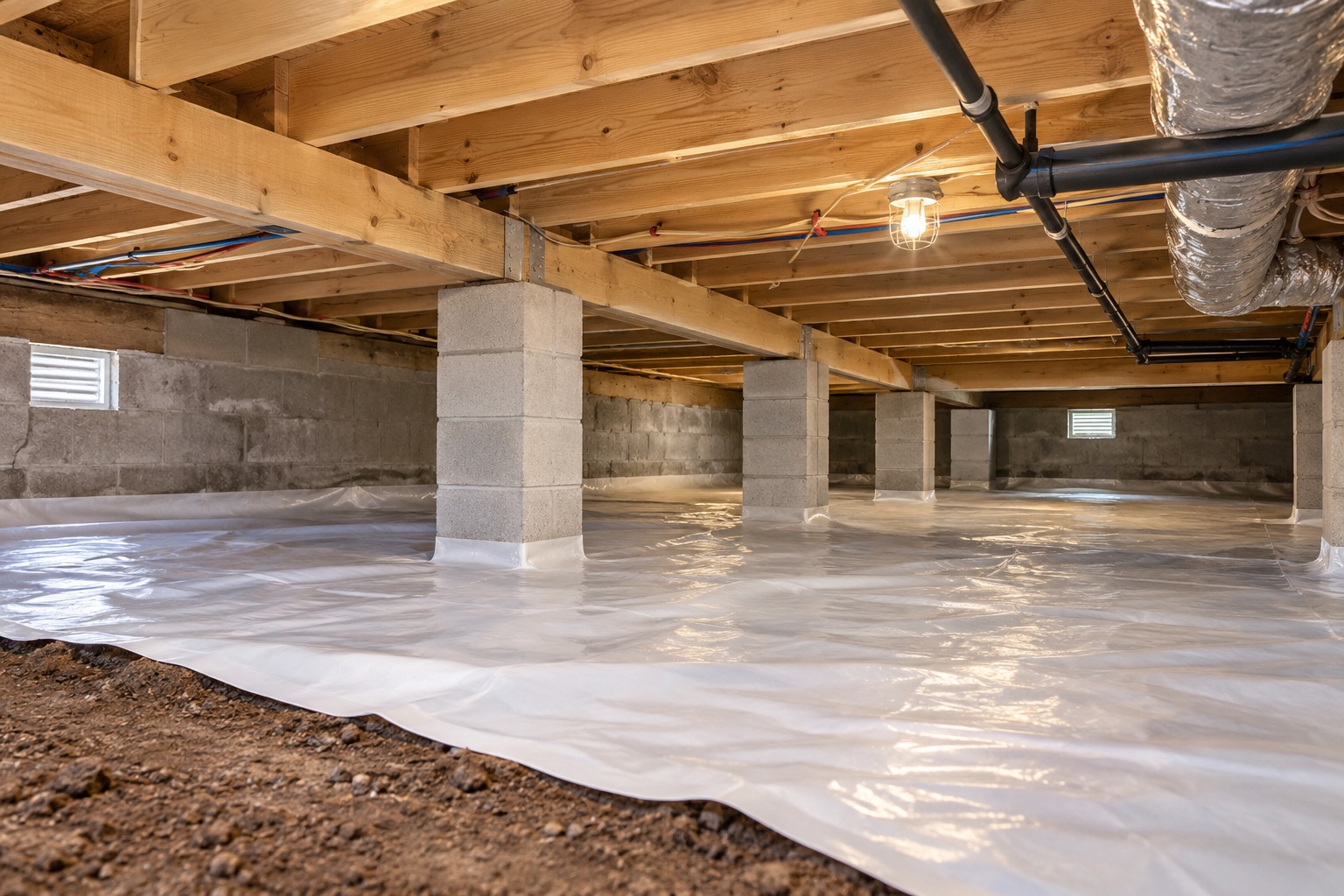
An enclosure is only as continuous as its actual details. Access hatches, utility penetrations, damaged seams and transitions around piers may allow exchange with humid surroundings. Later plumbing or electrical work can disturb an otherwise sound installation. Compare present conditions with completion photographs and identify new penetrations rather than assuming all defects date to the original work.
PNNL's ground-moisture barrier guidance explains why the ground separation needs deliberate continuity. That does not authorize covering every visible surface indiscriminately. Pest inspection provisions, drainage paths and structural components require the appropriate details. Have someone familiar with the assembly evaluate questionable terminations. Improvised patching that hides a problem or obstructs inspection can make future diagnosis less reliable.
Check the moisture-removal system as installed
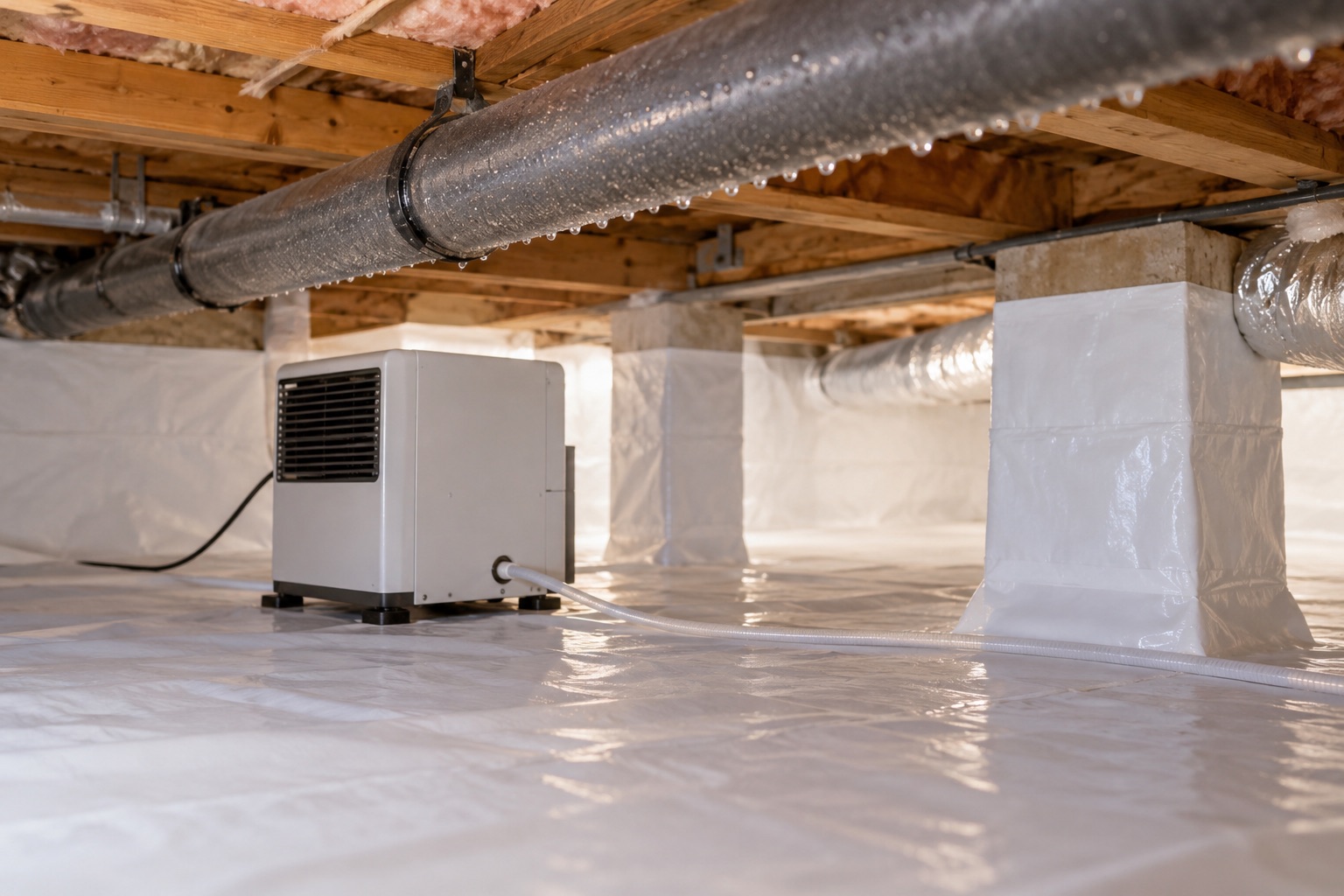
Confirm that the dehumidifier or other moisture-control arrangement matches the design, is powered, and is operating under the intended controls. Inspect accessible filters and confirm maintenance requirements. Have the contractor verify the condensate path, drainage reliability and service access. Equipment that runs but cannot discharge water properly is not providing a complete solution.
Capacity labels are only part of the evaluation. The device must perform under the space's actual temperature and humidity conditions, and air needs to circulate through the areas being controlled. Ask for the expected operating range, sensor location and a written explanation of the control settings. Avoid treating constant operation as automatic proof of undersizing; ongoing water entry or residual drying can produce the same observation.
Understand temperature and humidity together
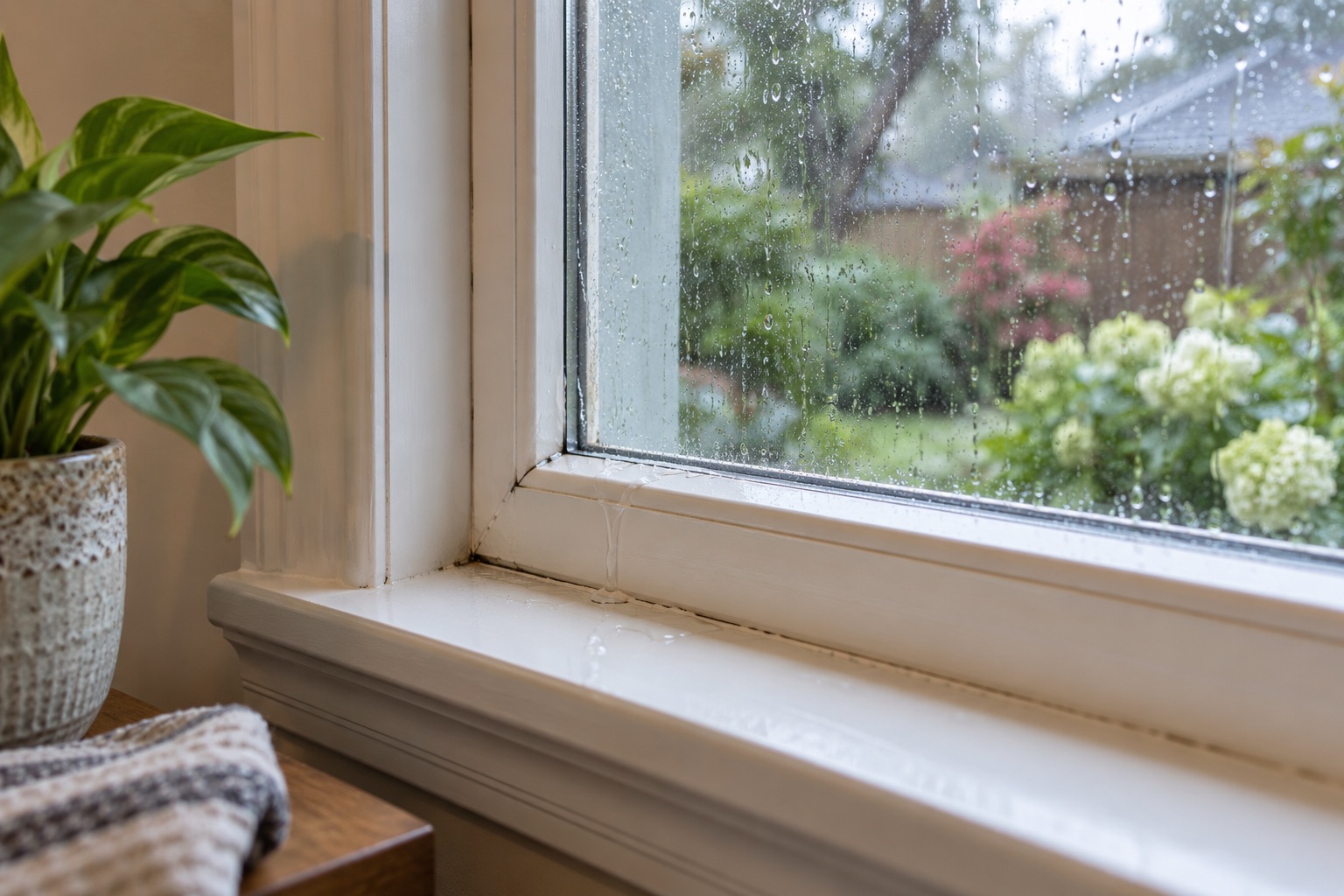
Relative humidity can rise when air cools even without an added quantity of water vapor. A cool crawlspace surface may also be vulnerable to condensation under the surrounding moisture conditions. Temperature logs therefore make humidity observations more useful. Ask whether the assessment considers dew point and surface conditions rather than interpreting every relative-humidity increase as a new leak.
PNNL's dehumidification guidance distinguishes sensible cooling from latent moisture removal. That principle matters when crawlspace conditions interact with ducts or the house's HVAC system. It does not mean every crawlspace should receive the same equipment arrangement. The investigator needs to understand the intended enclosure and moisture-removal design before changing air supply, exhaust or ventilation openings.
Separate initial drying from persistent failure
Previously wet wood and other materials may continue releasing moisture after an installation. The key question is whether conditions trend toward the intended range and whether an active source remains. Ask what baseline was recorded before the work and what follow-up the contractor expected. Without that information, a promise that everything will dry eventually is difficult to evaluate.
Consider a hypothetical crawlspace with corrected drainage but wet framing at completion. A declining moisture trend may support continued monitored drying. The same humidity reading months later, accompanied by fresh puddles after rain, suggests a different problem. Time alone does not establish which case you have. The distinction depends on source observations, material checks and an explanation of the measured trend.
Evaluate ducts and connections to the house
Leaking ducts, unsealed chases and other pathways can connect crawlspace conditions to the occupied home. Ask whether the investigation includes the relevant HVAC and air-barrier interfaces. A musty room above may justify looking below, but it does not prove every odor originates in the crawlspace. Keep the investigation tied to observed paths and conditions.
Do not reopen foundation vents or add a fan simply because the space feels stuffy. That can introduce more humid air or disrupt a designed assembly. If the current design is unsuitable, have the responsible professional propose a coordinated revision with an explanation of its effects. The change should account for combustion equipment and applicable requirements, rather than solve one reading while creating another problem.
Close the investigation with measurable responsibilities
Request a written list of findings, corrective actions and remaining uncertainties. Identify which company handles drainage, enclosure repairs and equipment service. Record product settings, maintenance intervals and where humidity will be measured during follow-up. Ask what evidence will support completion and what conditions would trigger another inspection.
Retain photographs and readings so future service calls can compare conditions rather than restart from opinion. An effective repair may include several small corrections, such as a damaged hatch seal and a blocked condensate path, instead of a larger dehumidifier. Conversely, an incomplete original scope may require redesign. The goal is a stable, maintainable system whose performance can be observed under the conditions that previously caused trouble.
BEFORE YOU PROCEED
Your project checklist
- Log temperature and relative humidity at representative locations.
- Check for rain-related water and plumbing leaks before resizing equipment.
- Compare liner and access details with the original installation record.
- Verify controls, filters, condensate disposal and equipment operating range.
- Assess relevant duct and house air-leakage connections.
- Assign corrective work and define monitored follow-up criteria.
Questions that come up next
Should I open crawlspace vents to lower humidity?
Not without evaluating the design and outdoor conditions. Outdoor air can add moisture, and opening vents changes an enclosure that may rely on a different control strategy.
Does a constantly running dehumidifier prove it is too small?
No. Active water entry, air leakage, residual drying, controls or drainage problems can also increase runtime. Check those conditions before selecting a larger unit.
EVIDENCE & SCOPE
Sources for this guide
Applies to: United States homeowner education. Climate, existing assembly, manufacturer instructions and locally adopted requirements govern project details; no nationwide code threshold is asserted.
Reddit discussions identify questions and experiences, not verified diagnoses or code requirements. Technical claims should be read with the linked primary source, product instructions and local requirements.
- Water Management of Existing Crawlspace Floorgovernment
Bulk-water correction before crawlspace sealing; ground vapor control, drainage and moisture management. Technical guidance; local requirements and product-specific details vary.
- Capillary Break at Crawlspace Floorsgovernment
Ground vapor barrier purpose, continuity, piers and liquid-water limitations. Technical guidance; local requirements and product-specific details vary.
- Whole-House Dehumidificationgovernment
Sensible versus latent loads, equipment selection and supplemental dehumidification. Technical guidance; local requirements and product-specific details vary.
- Encapsulated Crawlspacereddit
An anonymized homeowner question that informed the article. Retrieved through search excerpts; anecdotal evidence, not a technical diagnosis.
- Help encapsulating a horrible crawlspacereddit
An anonymized homeowner question that informed the article. Retrieved through search excerpts; anecdotal evidence, not a technical diagnosis.