THE SHORT ANSWER
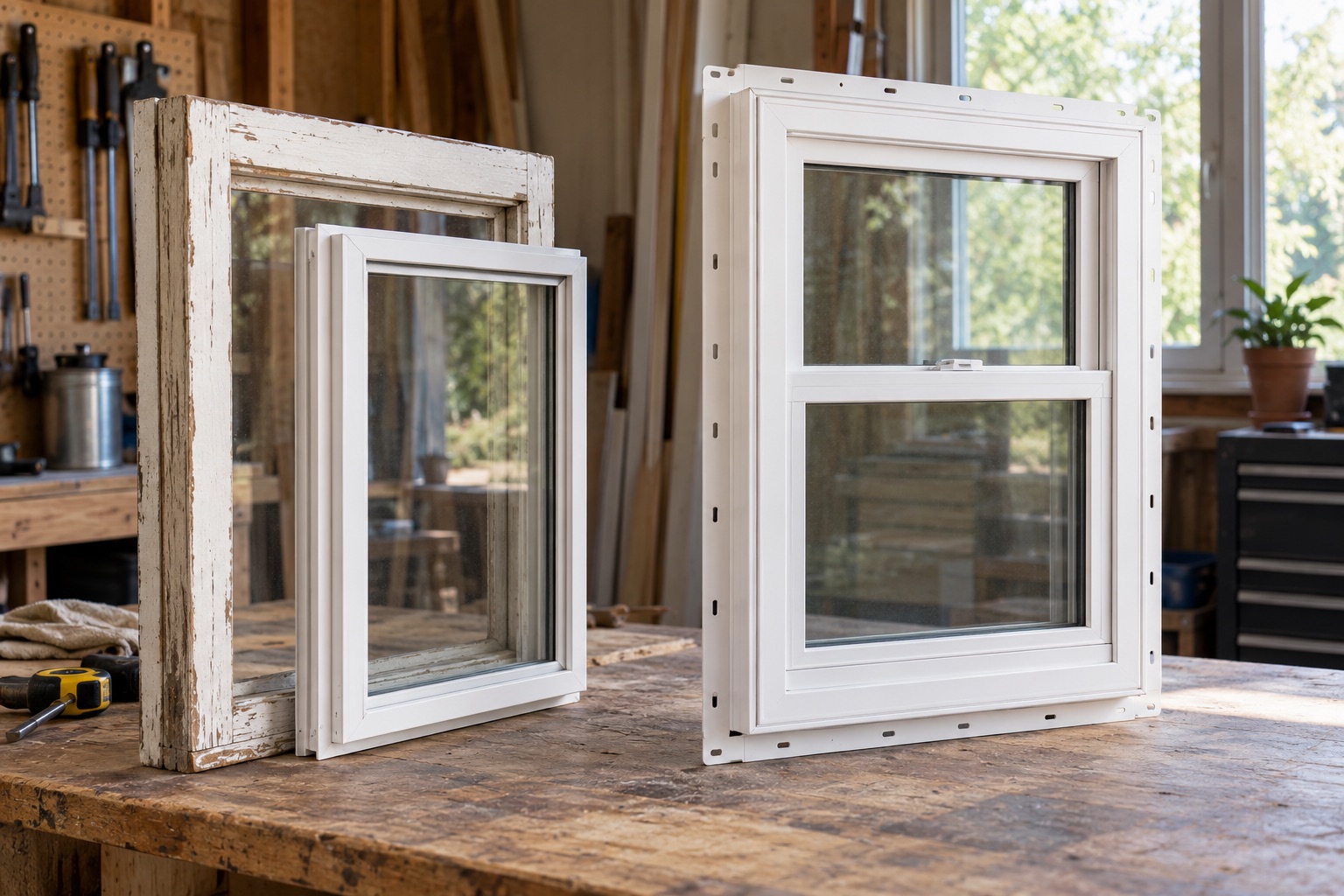
Insert and full-frame window replacement differ mainly in what remains in the opening. An insert retains the existing frame; full-frame work removes more of the assembly and exposes additional interfaces. Compare them using the frame's condition, water-management needs, glass area and restoration scope. Neither method should be selected solely because it is described as cheaper, newer or universally better.
Ask what the contractor will actually remove
Window terminology can obscure the work. Ask the bidder to mark the components being removed on a photograph or simple sketch: sash, existing frame, exterior trim, interior casing and any adjacent cladding. Then ask what will remain concealed. This establishes whether the proposal addresses the same problem as the competing bid.
Andersen's full-frame replacement explanation distinguishes full-frame removal from an insert installed within an existing frame. Product details still vary, so use that distinction as a starting point rather than a complete installation specification. A contractor's phrase replacement window does not establish the method. The written scope should state the boundary of the work in ordinary language a homeowner can verify.
Evaluate the retained frame before saving it
An insert depends on a suitable existing frame and opening. Ask how the installer will assess deterioration, alignment, operation and signs of previous water entry. A frame that looks acceptable under paint may need closer examination where staining or softness suggests a problem. Preserving it solely to avoid trim work can leave a consequential defect inaccessible.
Conversely, sound existing material should not be condemned just because full-frame replacement is the company's standard offering. Request the observed findings that support removal. The useful distinction is whether retaining the frame leaves a known problem unresolved. That decision requires more than a sales demonstration comparing two new window samples on a showroom floor.
Make water management part of the comparison
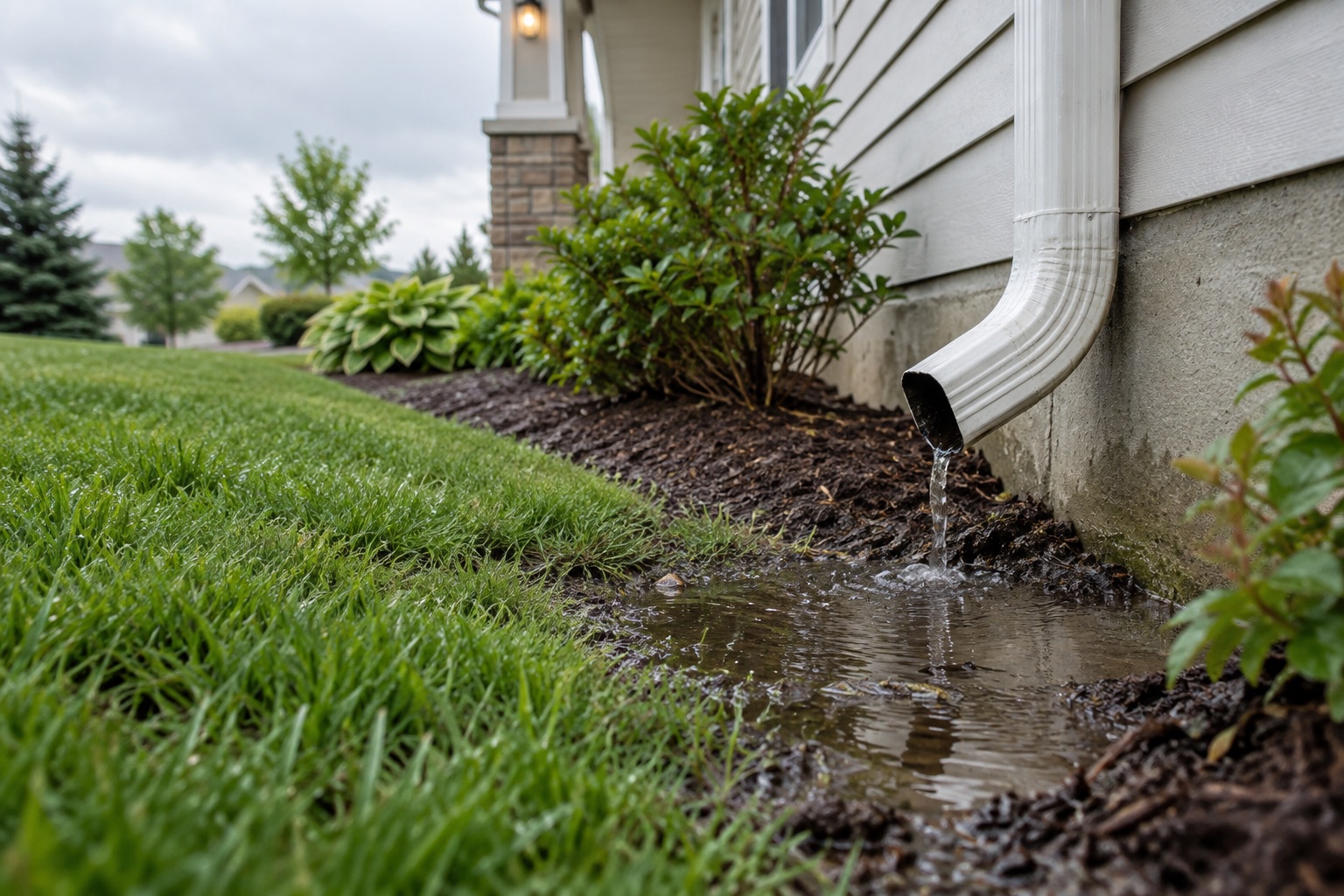
Ask how the chosen method relates to the opening's existing flashing and wall drainage layer. An insert may leave those concealed interfaces largely untouched. Full-frame access may allow more investigation, but removal alone does not guarantee that the new flashing is integrated correctly. Both proposals should explain how incidental water will leave the assembly.
PNNL's window and door flashing guide emphasizes the relationship between the opening and surrounding water-control layers. This is particularly relevant when the project began because of rain leakage. If a contractor proposes an insert for a leaking opening, ask what evidence shows that the retained installation is not the source. Otherwise the new unit could inherit the original leak path.
Compare usable glass area and appearance
An insert introduces a new assembly within retained material, which can affect the visible glass area and sightlines. The amount depends on the actual products and opening, so avoid assuming every replacement loses the same width. Ask for product dimensions, a section drawing or a representative mockup before ordering a whole-house package.
Consider the interior and exterior together. Trim proportions, adjacent windows, opening depth and operating hardware can change the appearance even when the nominal window size sounds similar. Discuss screens and normal cleaning access as well. A decision made only from exterior elevation photographs may miss the daily experience of opening the sash or the change in daylight seen from inside the room.
Account for air sealing without overpromising savings
Air leakage can occur at several interfaces, including the sash, retained frame and rough opening. Replacing the visible window does not automatically correct every path. Ask the contractor to describe which joints are accessible and how they will be addressed using compatible products. An expanding foam or sealant should be appropriate for the specific application rather than selected by habit.
The DOE consumer guide to air sealing describes assessment and targeted correction of leakage in a broader house context. That helps keep savings claims realistic. If the home has major attic or duct problems, window replacement alone may not produce the comfort change a sales estimate implies. Separate the reasons for replacing the windows from any unverified promise about future energy bills.
Include the complete restoration scope
Full-frame work can involve more interior and exterior restoration. Ask who repairs casing, paint, siding and disturbed wall finishes, and whether matching existing materials is included. Insert work can also create finish and sealing details that need attention. Compare the finished result, not just the delivered window and labor to set it in place.
For a hypothetical house with intact frames and recently restored historic trim, retaining material may have practical value. For another with repeated leaks and uncertain concealed damage, access may outweigh that benefit. These are different project conditions, not contradictory rules. A useful quote explains how the chosen method fits the particular opening and what additional work could become necessary once it is exposed.
Establish a process for concealed findings
Before installation, agree on how the contractor will document unexpected deterioration, who evaluates structural concerns and how additional scope is authorized. Define temporary weather protection if the opening cannot be closed as planned. This is especially important when multiple windows are scheduled for the same day and weather changes could pressure the crew to conceal unresolved conditions.
Ask for photographs at meaningful stages, including the exposed opening and completed water-management details where applicable. A final picture of new interior trim does not prove that concealed work was completed correctly. Product installation instructions should be available to the crew and identified in the project record, particularly where the existing wall assembly requires a detail different from a standard demonstration.
Accept the installation by function and documentation
Review operation, locks, screens, visible alignment and finish restoration with the installer. Confirm the ordered product and glass configuration, then obtain warranty and maintenance information. Ask what inspection or test supports the water and air sealing work and what limitations remain. Not every installation calls for the same test, but the completion explanation should be specific.
Keep before-and-after photographs and records for each opening, especially where conditions differed. Inspect after relevant weather and report recurrence promptly with the original location identified. The best comparison between insert and full-frame work is ultimately whether the selected scope corrected the documented needs while preserving the appearance, operation and maintainability the owner expected.
BEFORE YOU PROCEED
Your project checklist
- Mark exactly which frame, trim and wall components each bid retains.
- Document retained-frame condition and prior water-entry evidence.
- Compare flashing access and rough-opening air-sealing scope.
- Review actual glass dimensions and interior sightlines before ordering.
- Include paint, trim and cladding restoration in the comparison.
- Obtain concealed-work photographs and product identification.
Questions that come up next
Are full-frame replacements always better?
They provide broader access, which can be valuable when frames or concealed interfaces need repair. That does not establish that every sound opening requires complete removal; the method should follow the documented condition and project goals.
Will inserts make the glass smaller?
They can reduce visible glass area because material is retained around the new assembly. The actual change is product- and opening-specific, so compare dimensions or a representative detail before ordering.
EVIDENCE & SCOPE
Sources for this guide
Applies to: United States homeowner education. Climate, existing assembly, manufacturer instructions and locally adopted requirements govern project details; no nationwide code threshold is asserted.
Reddit discussions identify questions and experiences, not verified diagnoses or code requirements. Technical claims should be read with the linked primary source, product instructions and local requirements.
- Full-Frame Window Replacementmanufacturer
Full-frame versus insert scope and retained frame conditions.
- Windows and Doors are Fully Flashedgovernment
Window and door opening drainage, sill pans, shingle-lapped flashing and visual verification. Technical guidance; local requirements and product-specific details vary.
- Consumer Guide to Air Sealing the Homegovernment
Assessment, prioritization, blower-door and thermal-image use, air-leak locations. DOE consumer guide published in 2021.
- Window Replacement - Insert vs Full Frame replacementreddit
An anonymized homeowner question that informed the article. Retrieved through search excerpts; anecdotal evidence, not a technical diagnosis.
- Window leaking a lot of water during heavy rainreddit
An anonymized homeowner question that informed the article. Retrieved through search excerpts; anecdotal evidence, not a technical diagnosis.